Physical Address
304 North Cardinal St.
Dorchester Center, MA 02124
Physical Address
304 North Cardinal St.
Dorchester Center, MA 02124
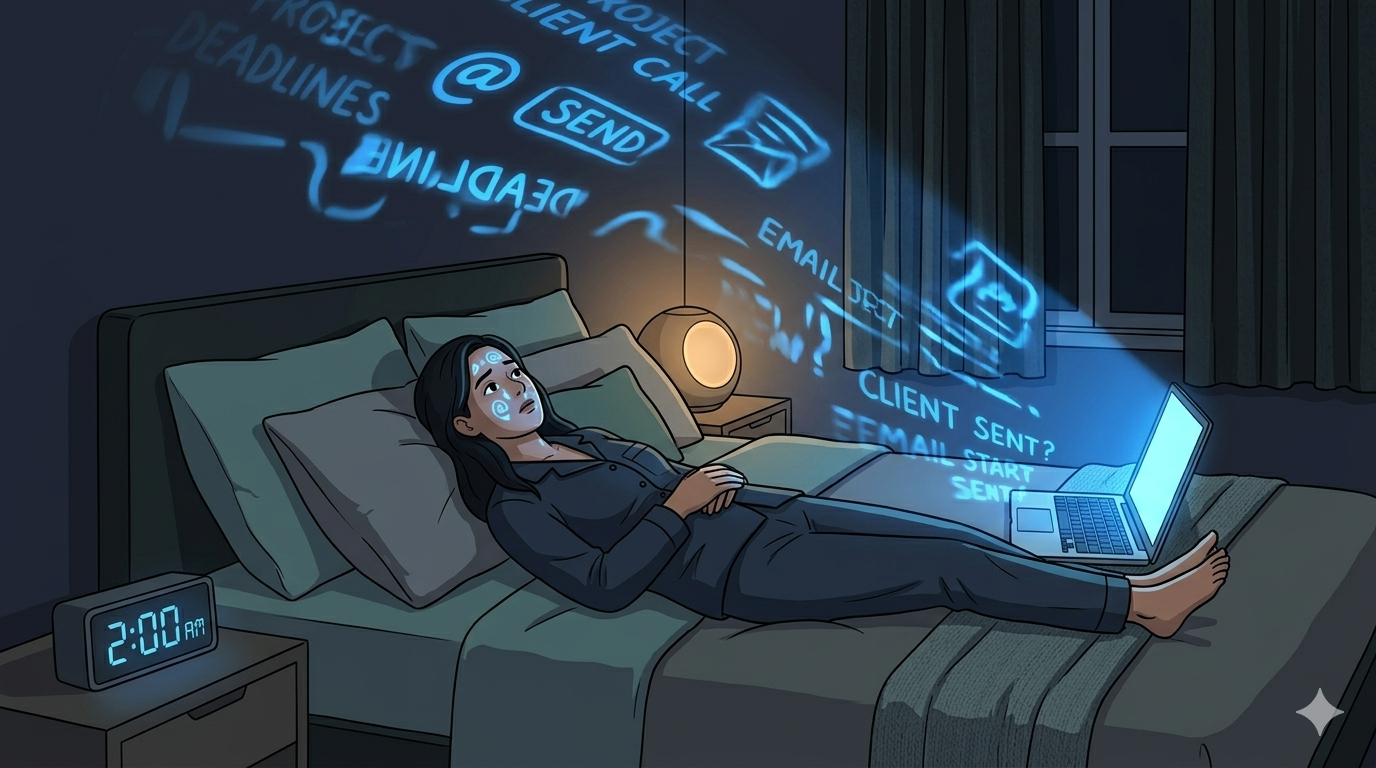
Picture this: It’s 2 AM, and you’re lying in bed, mind racing with tomorrow’s project deadlines, that client call you need to prep for, and whether you remembered to send that important email. Your laptop is just a few feet away, practically calling your name. Sound familiar?
If you’re nodding along, you’re not alone. Remote work has given us incredible flexibility, but it’s also blurred the lines between work and rest in ways that can seriously mess with our sleep. You’ve probably tried all the usual advice—blue light blocking glasses, a consistent bedtime routine, maybe even that expensive mattress topper. Yet here you are, still struggling to get the restorative sleep you need to show up as your best self for your remote work.
Here’s the thing: there’s no shame in hitting a wall with DIY sleep solutions. Just like you might hire a business coach to level up your productivity or work with a personal trainer to reach your fitness goals, sometimes you need a sleep professional to help you break through persistent sleep challenges. The key is knowing when it’s time to make that call.
Let’s get real about when your sleep struggles have moved beyond what you can tackle on your own. These aren’t personal failures—they’re signals that you might benefit from professional support:
The 3-3-3 Rule: Chronic Insomnia If you’re struggling to fall asleep, stay asleep, or you’re waking up way too early at least 3 nights a week for 3 months or more, despite following good sleep hygiene practices, that’s a clear indicator. This isn’t just “bad sleep habits”—it’s a pattern that often requires targeted intervention.
For remote workers, this gets tricky because our work lives bleed into our personal space. Without the natural boundary of leaving an office, your brain might stay in “work mode” long after you’ve closed your laptop. That presentation you’re giving next week? Your brain wants to rehearse it at midnight. The difficult conversation with your manager? Perfect 2 AM material, apparently.
The Daytime Drag: Excessive Sleepiness You know this feeling—you’re constantly tired during the day, struggling to focus during video calls, or feeling like you could fall asleep at your desk (literally, since it’s probably in your bedroom or living room). Even after what should be enough sleep, you’re still dragging.
This is particularly challenging for remote workers because that couch or bed is right there, making it tempting to grab quick naps throughout the day. While strategic napping can be helpful, frequent daytime sleep often becomes a band-aid that actually makes nighttime sleep worse.
The Anxiety Spiral: When Sleep Becomes Stressful Here’s a cruel irony: the more you worry about not sleeping, the harder it becomes to actually sleep. If you find yourself dreading bedtime, getting anxious about whether you’ll sleep well, or feeling your heart race when you think about sleep, you’ve entered what sleep researchers call the “anxiety-insomnia cycle.”
Remote work can amplify this because you’re managing your own schedule and productivity. There’s pressure to be “on” all the time, and poor sleep feels like it’s directly impacting your ability to perform—which it is, but worrying about it only makes things worse.
The Sneaky Culprits: Possible Sleep Disorders Sometimes the issue isn’t behavioral—it’s medical. If you or your partner notice loud snoring, gasping for breath during sleep, restless legs, or sudden sleep attacks during the day, these could be signs of conditions like sleep apnea or restless leg syndrome.
These conditions don’t just make you tired—they can seriously impact your cognitive function, memory, and decision-making abilities. For remote workers who rely on sharp thinking and focus, undiagnosed sleep disorders can be career-limiting.
The Frustrating Yo-Yo: Making Progress Then Sliding Back Maybe you’ve actually made some progress with sleep hygiene changes, but you keep reverting to old patterns. You’ll have a few good weeks, then find yourself back to scrolling social media until 1 AM or working late into the night “just to finish one more thing.”
This pattern often indicates that surface-level changes aren’t addressing the deeper behavioral or psychological factors keeping you from consistent, quality sleep.
The Ripple Effect: When Poor Sleep Impacts Everything Perhaps most importantly, if your sleep issues are noticeably affecting your work performance, relationships, mood, or overall quality of life, it’s time to consider professional help. Poor sleep doesn’t just make you tired—it affects your creativity, problem-solving abilities, emotional regulation, and immune function.
For remote workers, this can mean missed opportunities, poor client relationships, or burnout. The cost of not addressing sleep issues often far exceeds the investment in getting help.
So what can a sleep professional do that you can’t do yourself? A lot, actually. Here’s what working with a qualified sleep coach, therapist, or medical professional typically involves:
The Gold Standard: Cognitive Behavioral Therapy for Insomnia (CBT-I) CBT-I is considered the first-line treatment for chronic insomnia, and for good reason—it’s incredibly effective. A trained CBT-I therapist helps you identify and change the thought patterns and behaviors that perpetuate sleep problems.
This isn’t just about sleep hygiene tips. CBT-I addresses things like:
The great news for remote workers is that many CBT-I programs are now available through telehealth or even digital platforms, making them incredibly accessible. Some innovative apps are even offering AI-powered CBT-I programs that can provide evidence-based treatment without requiring a human therapist.
Personalized Assessment and Detective Work A sleep professional can conduct comprehensive assessments that go way beyond asking “Are you sleeping well?” They’ll look at:
If needed, they can also refer you for sleep studies to rule out medical sleep disorders that might be flying under the radar.
Strategies Tailored to Your Unique Situation Generic sleep advice is everywhere, but a sleep professional creates a plan specifically for you. They’ll consider:
This might result in recommendations like specific light exposure timing, customized bedtime routines, or strategies for managing work-related stress that keeps you up at night.
The Accountability Factor Let’s be honest—it’s easy to abandon good sleep habits when you’re stressed or busy. A sleep professional provides ongoing support and accountability, helping you stick to your plan even when life gets chaotic.
They can also help you troubleshoot challenges as they arise. Maybe your sleep plan was working great until you started a new project with tight deadlines, or your sleep got disrupted when you moved to a new apartment. A professional can help you adapt your approach rather than abandon it entirely.
Stress and Anxiety Management Tools Many sleep professionals are also trained in stress management techniques that can be game-changers for remote workers. This might include:
Whole-Life Integration Really effective sleep support doesn’t just focus on the hours you’re in bed. A good sleep professional helps you understand how your entire 24-hour cycle affects your sleep, from your morning light exposure to your afternoon caffeine intake to your evening wind-down routine.
Not all sleep professionals are created equal, and finding the right fit is crucial for success. Here’s how to navigate your options:
Understanding Different Types of Sleep Professionals
For chronic insomnia and sleep-related anxiety: Look for licensed therapists or psychologists who specialize in sleep and are trained in CBT-I. They should have specific certification in sleep therapy.
For general sleep optimization and coaching: Certified sleep coaches or consultants can be incredibly helpful, especially if you don’t have a diagnosable sleep disorder but want to optimize your sleep for better performance. Look for coaches with strong testimonials and a clear, science-based methodology.
For suspected medical sleep disorders: You’ll want to consult with a board-certified sleep medicine physician who can order appropriate tests and provide medical treatment if needed.
Making the Most of Telehealth Options The rise of telehealth has been a game-changer for remote workers seeking sleep support. Many sleep coaches and CBT-I therapists now offer virtual sessions, which means you can access help from anywhere. This is particularly valuable if you live in an area with limited local options or prefer the convenience of working from home.
Questions to Ask Potential Sleep Professionals
Investment Considerations While working with a sleep professional is an investment, consider the cost of not addressing persistent sleep issues: decreased productivity, increased sick days, potential career impacts, and reduced quality of life. Many sleep professionals offer package deals or sliding scale fees, and some services may be covered by insurance.
Red Flags to Avoid Be cautious of anyone who:
If you’re recognizing yourself in these descriptions, don’t wait for your sleep issues to get worse. Seeking professional help for sleep challenges is a sign of self-awareness and commitment to your health and performance—not weakness.
Start by documenting your sleep patterns and challenges for a week or two. Most sleep professionals will ask about your sleep history, so having this information ready will help you get the most out of your initial consultation.
Remember, quality sleep isn’t a luxury—it’s a necessity for sustained remote work success. By working with a qualified professional, you’re investing in your ability to show up as your best self, both professionally and personally.
The path to better sleep might seem daunting, but with the right support, you can transform your nights from a source of stress into a foundation for thriving in your remote work life.