Physical Address
304 North Cardinal St.
Dorchester Center, MA 02124
Physical Address
304 North Cardinal St.
Dorchester Center, MA 02124
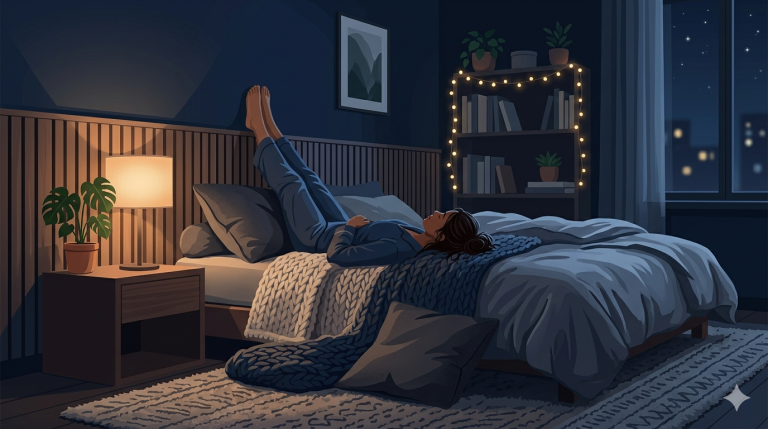
There is a particular kind of exhaustion that only a remote worker truly understands. It’s that feeling after spending ten consecutive hours in the same ergonomic chair, staring at the same glowing screen, and moving nothing but your fingers and your eyes. By 6 PM, your brain is fried, your spirit is drained, and you feel utterly spent. Yet, the moment your head hits the pillow, your body feels restlessly awake.
This is the irony of the sedentary cycle: you are mentally and emotionally depleted, but you haven’t actually “earned” your rest physically. Your brain has been running a marathon while your body has been stuck in park. This physiological mismatch leaves you “tired but wired,” with a nervous system that is still humming with the day’s digital stress because it hasn’t had the physical outlet it needs to process those signals.
To break this cycle, we have to view movement not as another chore on the to-do list, but as the essential biological fuel for our recovery. By strategically integrating exercise into your home office setup, you can build the “sleep pressure” necessary to drift off effortlessly and stay in the deep, restorative stages of sleep. Let’s look at how to move your body so you can finally rest your mind.
Exercise also plays a role in your body’s temperature regulation. During a workout, your core body temperature rises. Once the activity stops, your body initiates a cooling process to return to baseline. This “post-exercise drop” in temperature is a powerful signal to your brain that it is time to transition into a restful state. This is why many people find that an afternoon workout leads to easier sleep onset. However, if you exercise too close to bedtime—typically within two to three hours—your core temperature may still be too high when you try to sleep. This can prevent the release of melatonin and keep your heart rate elevated. According to the Mayo Clinic, finding your “Goldilocks zone” for exercise timing is essential for maximizing these thermoregulatory benefits. For the remote worker, this often means scheduling movement during the natural “afternoon slump” to clear the mental fog and set the stage for a cool, restorative evening.
One of the biggest challenges for remote workers is the “always-on” stress of the digital office. High levels of cortisol, the primary stress hormone, can block the production of melatonin and keep you in a state of hyper-arousal. Regular physical activity is one of the most effective ways to “burn off” excess cortisol. When you move, your body processes the stress signals generated by your workday. This prevents the “cortisol creep” that often happens when we transition straight from our desks to our beds. By integrating movement into your routine, you are creating a biological “buffer” between your work stress and your sleep sanctuary. If you have been struggling with the boundaries we discussed in our guide on Work-Life Balance and Sleep, you will find that exercise is the physical anchor you need to make those boundaries real. It is a tangible way to signal to your nervous system that the “threat” of the workday is over.
How well is your current activity level supporting your sleep drive? Rate yourself on a scale of 1 to 5 based on your typical work week:
If you are at a 1 or 2, your lack of physical exertion is likely a primary driver of your sleep issues. The goal is to move toward level 4 or 5 by making movement a non-negotiable part of your professional day.
For the remote worker, the idea of a “one-hour gym session” can feel daunting and often gets pushed aside by meetings. Instead, adopt the pillar of “Movement Snacks.” These are short, 5-to-10 minute bursts of activity performed several times throughout the day. This could be a set of air squats between calls, a brisk walk around the house during a meeting, or some shadow boxing after a stressful email. These snacks keep your metabolism active, prevent “blood pooling” in your legs, and ensure a steady accumulation of adenosine. They also provide the mental “reset” needed to maintain high performance without the need for excessive caffeine. By the end of the day, these accumulated minutes add up to a significant amount of “sleep pressure” without requiring a major schedule overhaul.
To maximize sleep quality, align your exercise intensity with your circadian rhythm. High-intensity interval training (HIIT) or heavy lifting is best performed in the morning or early afternoon. This provides a natural cortisol spike when your body is already in “active” mode. As the day progresses, transition toward lower-intensity activities like walking or steady-state cycling. This prevents a late-night sympathetic nervous system flare-up that could keep you awake. Think of your energy as a wave; you want the peak in the morning and the gentle descent in the evening. This alignment ensures that your body is physically ready to rest when your mind is ready to switch off.
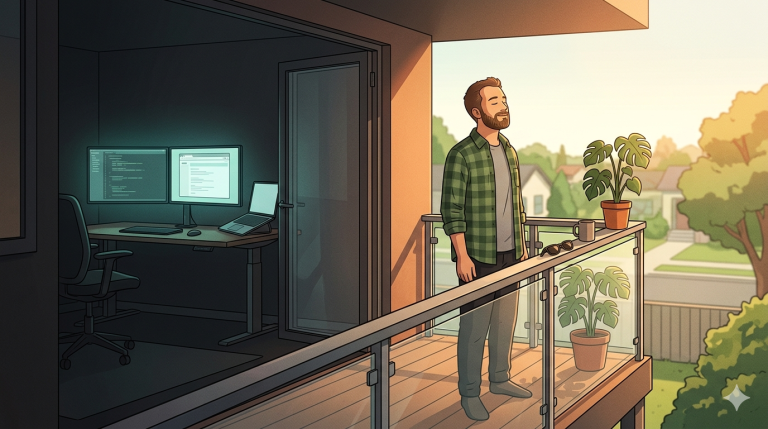
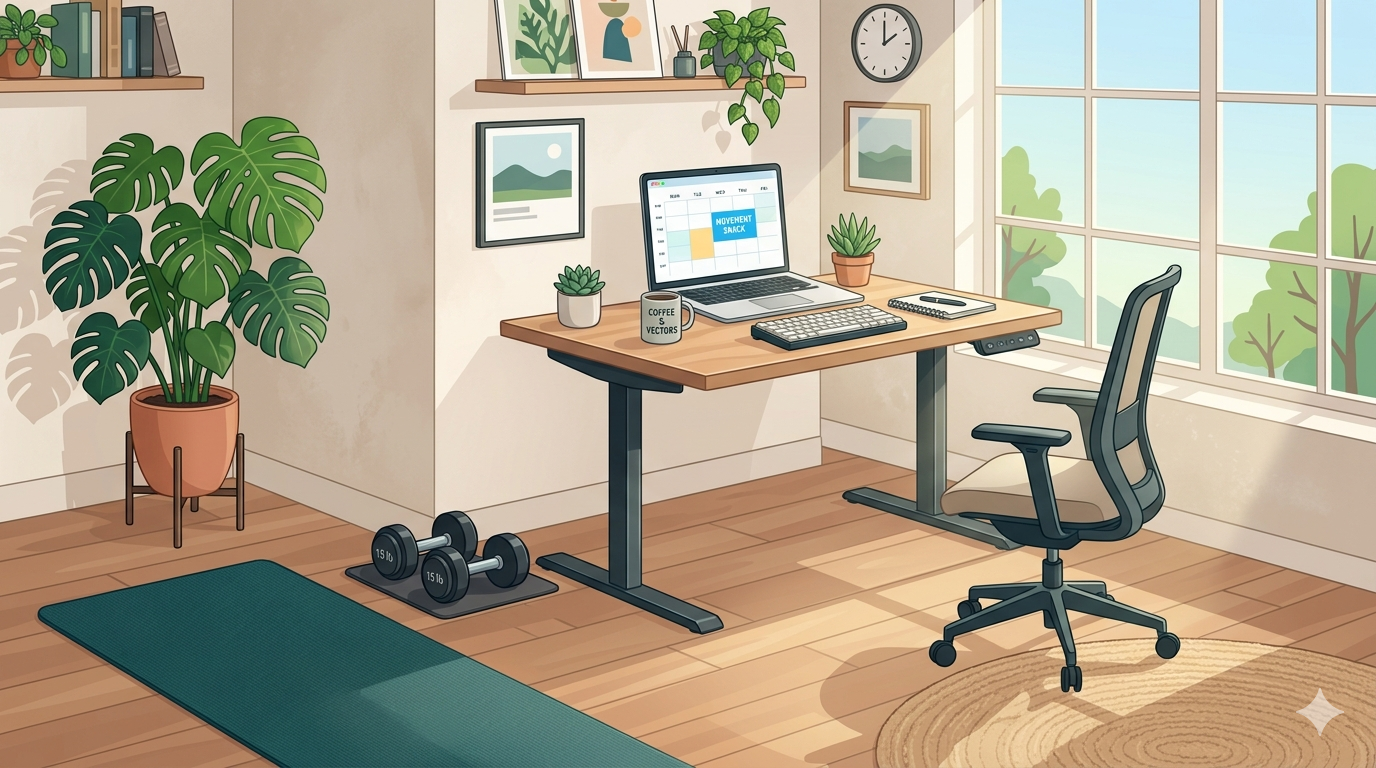
You do not need a full commercial gym to improve your sleep. The pillar of “Office Integration” is about making movement easy and accessible. Keep a pair of dumbbells, a kettlebell, or a resistance band within arm’s reach of your desk. Use a standing desk or a walking pad if possible. When movement is “frictionless,” you are much more likely to do it. The goal is to eliminate the transition time between “work” and “exercise.” By making your office a place of movement, you break the psychological association of the desk as a place of stagnant stress. This physical shift helps you “earn” your sleep without ever leaving your home.
Whenever possible, take your movement outside. The combination of physical activity and natural sunlight is the ultimate sleep-optimization tool. Sunlight exposure, especially in the morning, helps “reset” your master circadian clock. When you combine this with a brisk walk, you are double-charging your sleep system. For remote workers, this “Sunlight and Step” ritual is the best way to simulate a healthy “commute.” It provides a clear mental and physical transition into the workday and builds the necessary sleep drive for the night ahead. Even a 15-minute walk in your backyard or around the block can significantly improve your nocturnal recovery.
Building a body that is ready to sleep is just as important as building an environment that is conducive to it. As a remote professional, you have the flexibility to design a workday that serves your biology. By integrating exercise into your home office setup, you are not just “getting fit”—you are “getting rested.” Tomorrow, we will dive into specific desk stretches that can alleviate the physical tension that often leads to a restless night. For today, find one way to move your body right now. Feel the adenosine building, the cortisol dropping, and the sleep pressure rising. You are one step closer to your best night’s sleep.