Time Zone Chaos: Sleep Strategies for Global Remote Teams — Navigating the 24-Hour Work Cycle Without Losing Your 8-Hour Rest

The Global Pendulum: Why Your Sleep is Living in Two Cities

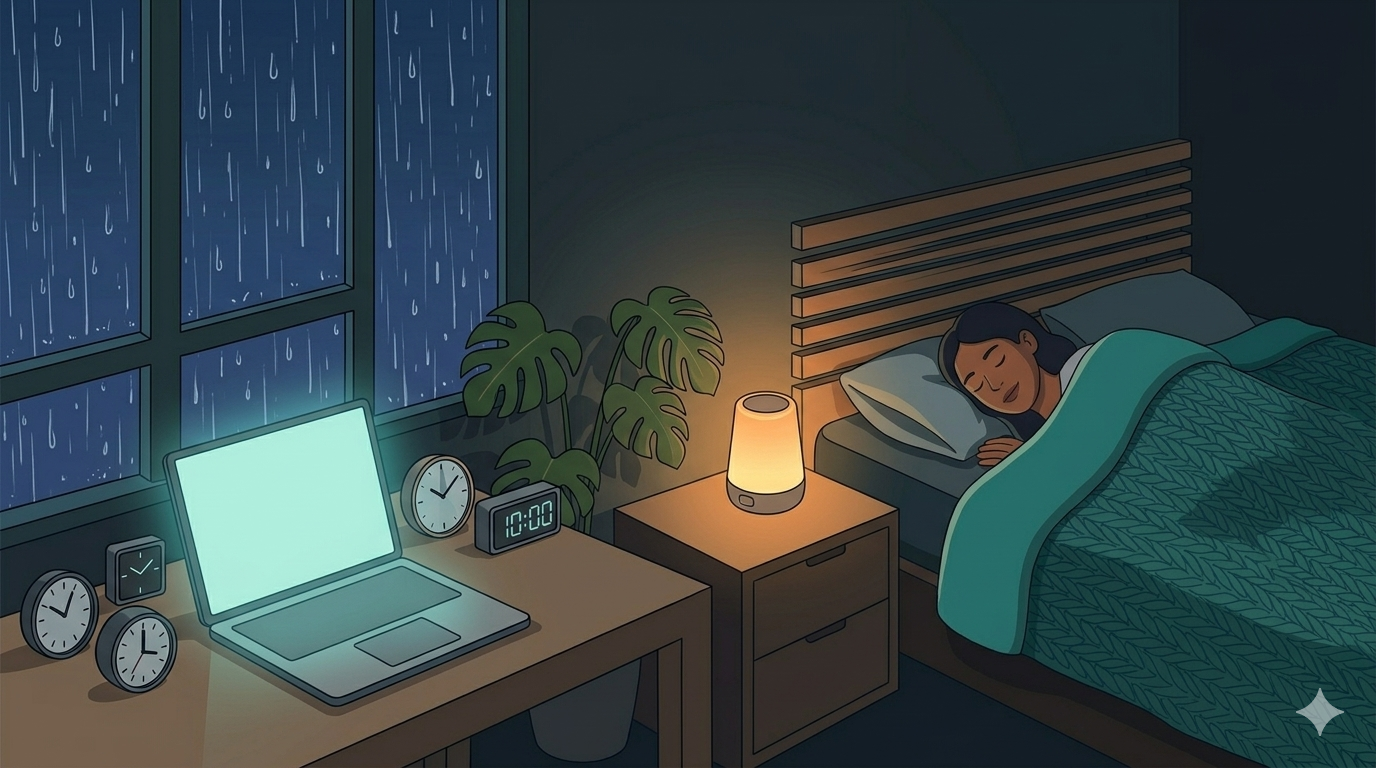
It’s 11:30 PM in San Francisco. You’re ready for bed. But in London, it’s 7:30 AM, and your team is just starting their morning stand-up. In Singapore, it’s 2:30 PM, and the project manager is asking for an urgent update on the sprint. Implementing effective time zone sleep strategies is the only way to survive this 24-hour cycle.

For the remote worker on a global team, “standard business hours” are a myth. Consequently, you live in a world where the sun is always rising somewhere. Therefore, the pressure to be available across multiple time zones is constant. You find yourself taking meetings at midnight. Additionally, you might respond to Slack pings at 6:00 AM. Usually, you try to “squeeze in” a nap during the only three-hour window when the world seems quiet.

This isn’t just a logistical headache; actually, it’s a biological disaster. When you work across time zones, you are effectively putting your body into a state of chronic jet lag. Furthermore, you are doing this without ever leaving your house. Your circadian rhythm is being pulled in multiple directions. Consequently, this leads to fragmented sleep and cognitive fog. Eventually, you feel “out of sync” with your own environment.

Tonight, we’re going to explore the mechanics of “Digital Jet Lag.” Additionally, we will provide a tactical framework for managing a global work schedule. Ultimately, this protects your biological requirement for consistent, high-quality sleep.


The Biology of Digital Jet Lag and Time Zone Sleep Strategies

Circadian Entertainment and “Social Jet Lag”

Your body’s internal clock is “entrained” by light and social cues. When you take a meeting in the middle of the night, you are exposing yourself to blue light. Specifically, you are engaging in high-level cognitive work when your body is programmed for recovery.

This creates “Social Jet Lag.” Specifically, it is a misalignment between your biological clock and your professional requirements. Research published in The Lancet has shown that chronic circadian disruption is linked to metabolic dysfunction. For global remote workers, the risk is even higher. Furthermore, the “travel” is invisible. You don’t have the physical cues of a long-haul flight. Therefore, you just feel tired and assume it’s the coffee. As we discussed in our guide on Work-Life Balance and Sleep, managing this transition is critical for long-term health.

Sleep Fragmentation and the “Always-On” Brain

The biggest threat of time zone chaos is sleep fragmentation. If you are waking up at 4:00 AM for a meeting, you are disrupting your sleep architecture. Specifically, you are likely missing out on critical REM sleep. Alternatively, you might miss deep slow-wave sleep.

Fragmented sleep is significantly less restorative than consolidated sleep. Furthermore, your brain never fully completes its “cleaning” cycle. Consequently, this leads to the “brain fog” that so many global remote workers experience. Therefore, prioritizing consolidated rest is a vital part of any time zone sleep strategies.


The Time Zone Stress Scorecard

Is your global team stealing your local rest? Score yourself on a scale of 1-5 for each statement (1 = Never, 5 = Every Day).

  1. The Midnight Meeting: I regularly attend meetings more than 2 hours outside of my local “9 to 5” window.
  2. Fragmented Recovery: I frequently wake up during my sleep period to check work messages.
  3. Sunlight Desync: I spend most of my daylight hours working in a dimly lit room.
  4. Caffeine Crutch: I rely on caffeine to stay awake for late-night or early-morning calls.
  5. The “Wait-Up” Loop: I stay awake longer than I should just because a colleague is coming online.

Scoring Your Stress:

  • 5-10: The Synchronized Professional. You have managed to maintain a local rhythm. Therefore, these strategies will reinforce your success.
  • 11-19: The Digital Nomad. You are experiencing the effects of chronic circadian misalignment. Consequently, you need to implement boundaries.
  • 20-25: The Chrono-Crisis. You are in a state of permanent digital jet lag. Initially, immediate structural changes are required.

The Four Pillars of Global Time Zone Sleep Strategies

1. The Physical Pillar: The “Light-Anchoring” Protocol

If your work schedule is irregular, you must use light to anchor your circadian rhythm.

  • Morning Sunlight: Regardless of what time you finished work, get 10-15 minutes of direct sunlight. Specifically, do this as soon as you wake up. This “resets” your clock.
  • Blue Light Blocking: If you must take a late-night meeting, use Swanwick Sleep Amber Glasses to block blue light. Consequently, this allows you to stay active without signaling “daytime” to your brain.
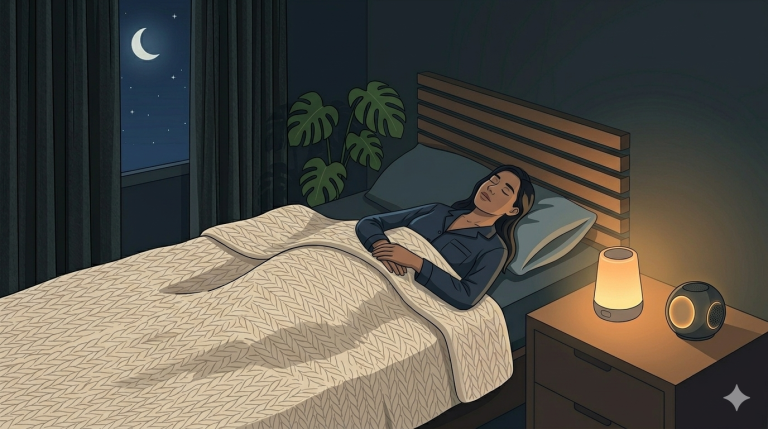
  • The Blackout Sanctuary: Use NICETOWN Blackout Curtains and a Manta Sleep Mask PRO to ensure your bedroom is 100% dark. Actually, this is vital even if the sun is up.

2. The Temporal Pillar: The “Anchor Sleep” Window

You must define a 4-hour “Anchor Window” where you are never available for work.

  • The Protocol: Identify the 4 hours of the night that are most critical for you. Specifically, communicate to your team that this is your “Hard Dark” period.
  • Asynchronous First: Shift as much communication as possible to asynchronous tools. For instance, use Slack or Loom. Record your updates so colleagues can watch them in their own time.

3. The Digital Pillar: Automated Boundary Setting

Let your technology be the “bad guy.”

  • Calendar Blocking: Use “Working Hours” settings in Google Calendar to automatically decline meetings. Consequently, this protects your sleep window.
  • The “Time Zone Filter”: Use your Apple Watch 9 or Oura Ring to track your “Readiness” score. If your score is low, use the data to negotiate a better schedule.
  • Scheduled Sending: If you are working late, use the “Schedule Send” feature. Actually, this prevents you from disrupting your colleagues’ sleep.

4. The Psychological Pillar: Overcoming the “Availability Bias”

The pressure to be available 24/7 is often internal.

  • The Reframe: Remind yourself that you are a more valuable asset when you are well-rested. Taking a meeting at 3:00 AM might feel productive. However, the cognitive cost is a net loss.
  • The “Handover” Ritual: Create a clear handover document. Once that document is sent, your “shift” is over. Therefore, mentally “hand the baton” to your colleagues and sleep.

Quick Wins for Tonight

  • The Noon Nap: If you had an early morning call, take a 20-minute power nap. Specifically, do this between 1:00 PM and 3:00 PM.
  • The Temperature Drop: Use the Eight Sleep Pod 4 to keep your bed cool. Actually, daytime sleep is often lighter and more disrupted by heat.
  • No Caffeine After 2 PM: Even if you have a late meeting, avoid caffeine. Consequently, you will be able to fall asleep once the meeting is over.

Roadmap and NeThe Global Pendulum: Why Your Sleep is Living in Two Cities

It’s 11:30 PM in San Francisco. You’re ready for bed. But in London, it’s 7:30 AM, and your team is just starting their morning stand-up. In Singapore, it’s 2:30 PM, and the project manager is asking for an urgent update on the sprint. Implementing effective time zone sleep strategies is the only way to survive this 24-hour cycle.

For the remote worker on a global team, “standard business hours” are a myth. Consequently, you live in a world where the sun is always rising somewhere. Therefore, the pressure to be available across multiple time zones is constant. You find yourself taking meetings at midnight. Additionally, you might respond to Slack pings at 6:00 AM. Usually, you try to “squeeze in” a nap during the only three-hour window when the world seems quiet.

This isn’t just a logistical headache; actually, it’s a biological disaster. When you work across time zones, you are effectively putting your body into a state of chronic jet lag. Furthermore, you are doing this without ever leaving your house. Your circadian rhythm is being pulled in multiple directions. Consequently, this leads to fragmented sleep and cognitive fog. Eventually, you feel “out of sync” with your own environment.

Tonight, we’re going to explore the mechanics of “Digital Jet Lag.” Additionally, we will provide a tactical framework for managing a global work schedule. Ultimately, this protects your biological requirement for consistent, high-quality sleep.


The Biology of Digital Jet Lag and Time Zone Sleep Strategies

Circadian Entrainment and “Social Jet Lag”

Your body’s internal clock is “entrained” by light and social cues. When you take a meeting in the middle of the night, you are exposing yourself to blue light. Specifically, you are engaging in high-level cognitive work when your body is programmed for recovery.

This creates “Social Jet Lag.” Specifically, it is a misalignment between your biological clock and your professional requirements. Research published in The Lancet has shown that chronic circadian disruption is linked to metabolic dysfunction. For global remote workers, the risk is even higher. Furthermore, the “travel” is invisible. You don’t have the physical cues of a long-haul flight. Therefore, you just feel tired and assume it’s the coffee. As we discussed in our guide on Work-Life Balance and Sleep, managing this transition is critical for long-term health.

Sleep Fragmentation and the “Always-On” Brain

The biggest threat of time zone chaos is sleep fragmentation. If you are waking up at 4:00 AM for a meeting, you are disrupting your sleep architecture. Specifically, you are likely missing out on critical REM sleep. Alternatively, you might miss deep slow-wave sleep.

Fragmented sleep is significantly less restorative than consolidated sleep. Furthermore, your brain never fully completes its “cleaning” cycle. Consequently, this leads to the “brain fog” that so many global remote workers experience. Therefore, prioritizing consolidated rest is a vital part of any time zone sleep strategies.


The Time Zone Stress Scorecard

Is your global team stealing your local rest? Score yourself on a scale of 1-5 for each statement (1 = Never, 5 = Every Day).

  1. The Midnight Meeting: I regularly attend meetings more than 2 hours outside of my local “9 to 5” window.
  2. Fragmented Recovery: I frequently wake up during my sleep period to check work messages.
  3. Sunlight Desync: I spend most of my daylight hours working in a dimly lit room.
  4. Caffeine Crutch: I rely on caffeine to stay awake for late-night or early-morning calls.
  5. The “Wait-Up” Loop: I stay awake longer than I should just because a colleague is coming online.

Scoring Your Stress:

  • 5-10: The Synchronized Professional. You have managed to maintain a local rhythm. Therefore, these strategies will reinforce your success.
  • 11-19: The Digital Nomad. You are experiencing the effects of chronic circadian misalignment. Consequently, you need to implement boundaries.
  • 20-25: The Chrono-Crisis. You are in a state of permanent digital jet lag. Initially, immediate structural changes are required.

The Four Pillars of Global Time Zone Sleep Strategies

1. The Physical Pillar: The “Light-Anchoring” Protocol

If your work schedule is irregular, you must use light to anchor your circadian rhythm.

  • Morning Sunlight: Regardless of what time you finished work, get 10-15 minutes of direct sunlight. Specifically, do this as soon as you wake up. This “resets” your clock.
  • Blue Light Blocking: If you must take a late-night meeting, use Swanwick Sleep Amber Glasses to block blue light. Consequently, this allows you to stay active without signaling “daytime” to your brain.
  • The Blackout Sanctuary: Use NICETOWN Blackout Curtains and a Manta Sleep Mask PRO to ensure your bedroom is 100% dark. Actually, this is vital even if the sun is up.

2. The Temporal Pillar: The “Anchor Sleep” Window

You must define a 4-hour “Anchor Window” where you are never available for work.

  • The Protocol: Identify the 4 hours of the night that are most critical for you. Specifically, communicate to your team that this is your “Hard Dark” period.
  • Asynchronous First: Shift as much communication as possible to asynchronous tools. For instance, use Slack or Loom. Record your updates so colleagues can watch them in their own time.

3. The Digital Pillar: Automated Boundary Setting

Let your technology be the “bad guy.”

  • Calendar Blocking: Use “Working Hours” settings in Google Calendar to automatically decline meetings. Consequently, this protects your sleep window.
  • The “Time Zone Filter”: Use your Apple Watch 9 or Oura Ring to track your “Readiness” score. As detailed in our Sleep Quality Monitoring Guide, this data helps you negotiate a better schedule.
  • Scheduled Sending: If you are working late, use the “Schedule Send” feature. Actually, this prevents you from disrupting your colleagues’ sleep.

4. The Psychological Pillar: Overcoming the “Availability Bias”

The pressure to be available 24/7 is often internal.

  • The Reframe: Remind yourself that you are a more valuable asset when you are well-rested. Taking a meeting at 3:00 AM might feel productive. However, the cognitive cost is a net loss.
  • The “Handover” Ritual: Create a clear handover document. Once that document is sent, your “shift” is over. Therefore, mentally “hand the baton” to your colleagues and sleep.

Quick Wins for Tonight

  • The Noon Nap: If you had an early morning call, take a 20-minute power nap. Specifically, do this between 1:00 PM and 3:00 PM.
  • The Temperature Drop: Use the Eight Sleep Pod 4 to keep your bed cool. Actually, daytime sleep is often lighter and more disrupted by heat.
  • No Caffeine After 2 PM: Even if you have a late meeting, avoid caffeine. Consequently, you will be able to fall asleep once the meeting is over.

Roadmap and Next Steps

Global work requires global discipline. This week, your mission is to define your “4-Hour Anchor Window”. Additionally, communicate it to your immediate team.

Coming Up Next: We’re wrapping up the month with Burnout and Sleep. Specifically, we’ll look at how to recover when you’ve hit the wall. Steps


sleeptoshift
sleeptoshift
Articles: 42

Leave a Reply

Your email address will not be published. Required fields are marked *