Physical Address
304 North Cardinal St.
Dorchester Center, MA 02124
Physical Address
304 North Cardinal St.
Dorchester Center, MA 02124
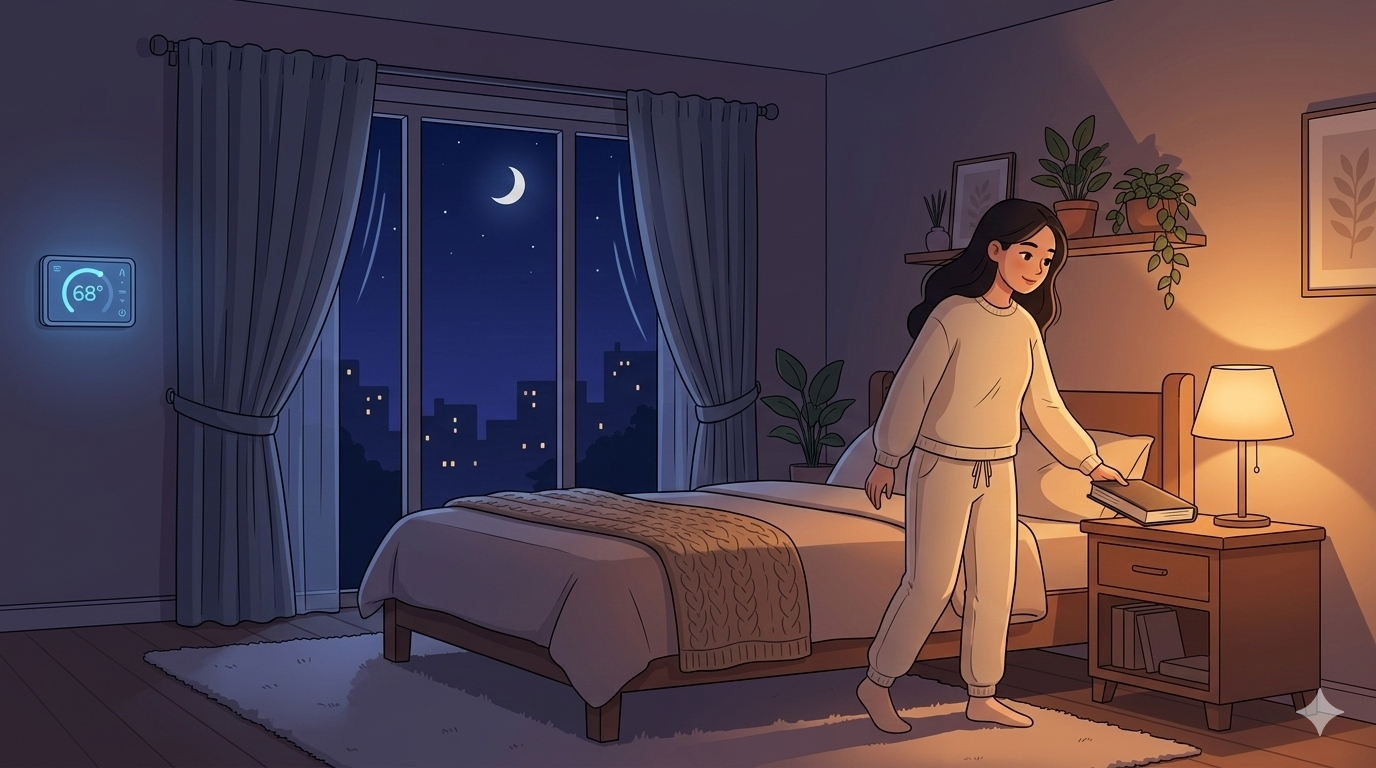
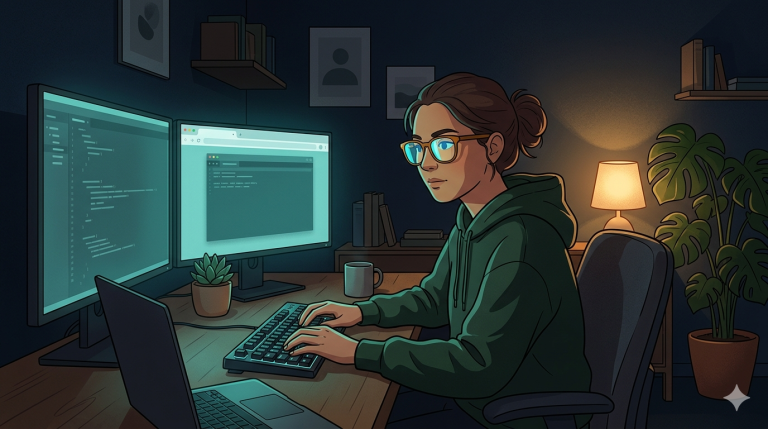
As a remote worker, you’ve probably spent considerable time and money optimizing your home office – the perfect monitor setup, ergonomic chair, noise-canceling headphones, maybe even a standing desk. But what about your bedroom? While you’re investing in productivity tools, your sleep environment might be working against you with inconsistent temperatures, harsh lighting, and manual adjustments that break your wind-down routine.
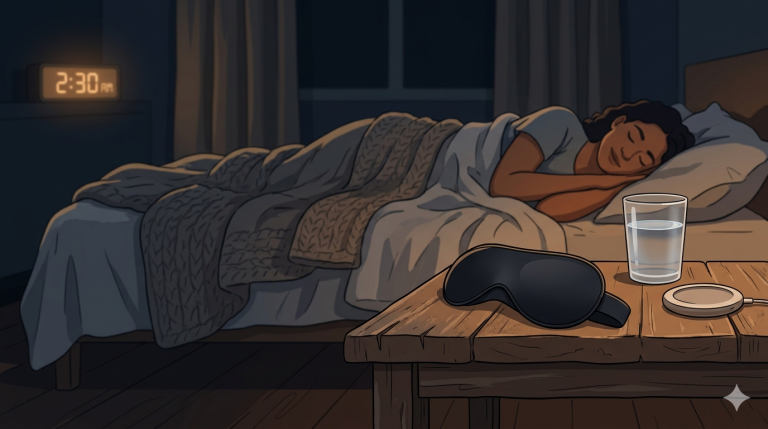
Here’s the thing: your bedroom should be as thoughtfully designed as your workspace. After all, quality sleep is the foundation of productive remote work. Smart home technology offers an incredible opportunity to transform your bedroom from a passive space into an active partner in your pursuit of better rest.
This isn’t about adding more screens to your bedroom – quite the opposite. It’s about creating seamless, background automation that removes friction from your sleep routine and creates the optimal environment for deep, restorative sleep every single night.
Remote work life can blur the boundaries between work and rest. You might find yourself working late into the evening, struggling to wind down, or dealing with irregular schedules that make consistent sleep habits challenging. Smart home automation addresses these specific challenges:
Eliminates Decision Fatigue: After a long day of making decisions at work, the last thing you want is to fumble with thermostats, light switches, and window blinds. Automation handles these details seamlessly.
Creates Consistency: Your bedroom environment becomes perfectly calibrated for sleep every night, regardless of how hectic your day was or how late you finished working.
Supports Natural Rhythms: Smart devices can mimic natural light cycles and temperature changes, helping reinforce your circadian rhythm even when your work schedule is unpredictable.
Reduces Mental Load: Less worrying about your environment means more mental energy for actual relaxation and rest.
Adapts to Your Life: Unlike rigid schedules, smart home routines can be adjusted for different workdays, travel, or changing seasons.
Let’s explore the key devices that can transform your bedroom into a sleep sanctuary:
How it transforms your sleep: Light is one of the most powerful signals for your circadian rhythm. Smart lights can automatically dim to warm, amber tones in the evening (mimicking natural sunset) and gradually brighten with cool, energizing light in the morning (simulating sunrise).
The Remote Worker Advantage: This is especially crucial when your work schedule might have you finishing projects well after sunset or starting before sunrise. Smart lighting ensures your body gets the right light signals regardless of your work hours.
Real-World Impact: Users report falling asleep faster and waking up more naturally when their lighting automatically adjusts throughout the day.
Top Recommendations:
Philips Hue White and Color Ambiance Starter Kit – The gold standard for color-changing smart bulbs with extensive app control and scheduling
LIFX Smart Bulbs – Vibrant colors and no hub required, connects directly to WiFi
Govee Immersion TV Light Strip – Affordable option for ambient lighting behind your bed or around the room
Pro Setup Tips:
Place smart bulbs in your main bedroom light and bedside lamps
Set them to automatically dim to 10% warm light (2700K) starting 2 hours before bedtime
Program a 30-minute sunrise simulation starting 30 minutes before your desired wake time
Use motion sensors to trigger dim red lights for safe nighttime navigation
How it transforms your sleep: Your body temperature naturally drops as you prepare for sleep. A smart thermostat can automatically lower your bedroom temperature to the optimal range (typically 60-67°F) before bedtime and gradually warm it before you wake.
The Remote Worker Advantage: Since you’re home all day, you can have different temperature schedules for work hours versus sleep hours, maximizing both productivity and rest.
Real-World Impact: Better temperature control can improve sleep quality by reducing nighttime awakenings and helping you reach deeper sleep stages.
Top Recommendations:
Nest Learning Thermostat – Learns your preferences and integrates beautifully with other smart home devices
Ecobee Smart Thermostat Premium – Includes remote sensors to monitor specific rooms and built-in Alexa
Honeywell Home T9 Smart Thermostat – Great mid-range option with room sensors
Pro Setup Tips:
Install a smart thermostat with room sensors for precise bedroom temperature control
Set it to drop 3-5 degrees from your daytime preference 1 hour before bedtime
Program it to gradually warm 30 minutes before your wake time
Use geofencing to adjust temperature when you’re away from home
How it transforms your sleep: Automated blinds or shades can create complete darkness for optimal melatonin production and then gradually let in natural light to support your morning wake-up routine.
The Remote Worker Advantage: You can maintain a dark, cave-like environment for sleep while ensuring you get energizing morning light exposure, even if you prefer to sleep in on weekends.
Real-World Impact: Better light control can significantly improve sleep quality and help regulate your circadian rhythm.
Top Recommendations:
Lutron Serena Smart Shades – Premium option with whisper-quiet motors and elegant design
IKEA FYRTUR Blackout Blinds – Affordable smart blinds that integrate with other smart home systems
SwitchBot Curtain – Retrofits existing curtains to make them smart
Pro Setup Tips:
Install blackout shades or curtains for complete darkness
Program them to close 30 minutes before your target bedtime
Set them to gradually open starting 30 minutes before your wake time
Use light sensors to automatically adjust based on outdoor conditions
How it transforms your sleep: Consistent, calming sounds can mask disruptive noises and create a peaceful sleep environment. Smart speakers can play white noise, nature sounds, or guided sleep meditations on schedule.
The Remote Worker Advantage: You can mask household noises, neighbor sounds, or even the hum of your home office equipment that might otherwise disturb your sleep.
Real-World Impact: Consistent audio environments can help you fall asleep faster and stay asleep longer.
Top Recommendations:
Hatch Restore 2 – Combines smart lighting, sound machine, and sunrise alarm in one elegant device
Amazon Echo Dot (5th Gen) – Affordable smart speaker with excellent sleep sound capabilities
Bose SleepBuds II – For those who prefer in-ear solutions with masking sounds
Pro Setup Tips:
Position speakers to provide even sound distribution
Set them to automatically play calming sounds when your lights dim
Use fade-in and fade-out features for gentle transitions
Experiment with different sound types (white noise, rain, ocean waves) to find what works best
Here’s how to set up a comprehensive smart home sleep routine:
Smart lights begin dimming to 50% warm light
Thermostat starts cooling the bedroom
Soft background music or nature sounds begin playing
Smart blinds close to block outside light
Lights dim to 10% or switch to red night mode
White noise or sleep sounds activate
All non-essential devices automatically turn off
Bedroom temperature reaches optimal sleeping range
Smart lights gradually brighten, simulating sunrise
Thermostat begins warming the room
Blinds slowly open to let in natural light
Gentle wake-up sounds replace sleep sounds
Lights reach full brightness with energizing cool tones
Upbeat music or morning podcast begins
Coffee maker starts brewing (if you have a smart coffee maker)
Blinds fully open for maximum light exposure
You don’t need to invest thousands to create a smart sleep environment. Here’s a starter setup for under $200:
Essential Starter Kit (~$150-200):
Smart Bulbs for Bedroom – $40-60 for 2-3 bulbs
Smart Plug for Bedside Lamp – $10-15
Smart Speaker – $30-50
Smart Thermostat – $50-100 (many utility companies offer rebates)
Gradual Upgrades:
Add smart blinds or curtains (3-6 months later)
Upgrade to more sophisticated lighting systems
Include air quality monitors and purifiers
Add smart sleep tracking devices
Once you have basic smart home devices, you can create more sophisticated automations:
Sleep Tracker Integration: Some smart home systems can integrate with sleep trackers. For example, when your Oura Ring detects you’ve fallen asleep, it can automatically adjust your home’s temperature and turn off any remaining lights.
Seasonal Adjustments: Your smart home can automatically adjust to changing seasons, shifting bedtimes and wake times as daylight hours change.
Travel Mode: When you’re away, your smart home can maintain your sleep schedule by simulating occupancy and maintaining optimal conditions for your return.
Health Monitoring: Advanced setups can monitor air quality, humidity, and even detect snoring, adjusting your environment accordingly.
Over-automation: Don’t try to automate everything at once. Start with one or two devices and gradually build your system.
Ignoring Your Partner: If you share your bedroom, make sure your smart home setup works for both of you. Consider individual preferences and controls.
Forgetting Manual Override: Always maintain manual control options for when you need to adjust your routine.
Neglecting Security: Use strong passwords and keep your devices updated to protect your privacy and security.
Smart home sleep automation isn’t about adding complexity to your life – it’s about removing friction from your path to better rest. By automating your bedroom environment, you’re creating conditions that consistently support deep, restorative sleep, which translates directly to better remote work performance.
The key is to start simple and build gradually. Choose one aspect of your sleep environment that currently frustrates you – maybe it’s adjusting the temperature every night or remembering to dim the lights – and solve that first. Then expand from there.
Your bedroom should be working as hard for your success as your home office does. With smart home technology, you can create an environment that actively supports your health, productivity, and overall well-being. Sweet dreams, and even sweeter remote work days ahead.