Physical Address
304 North Cardinal St.
Dorchester Center, MA 02124
Physical Address
304 North Cardinal St.
Dorchester Center, MA 02124
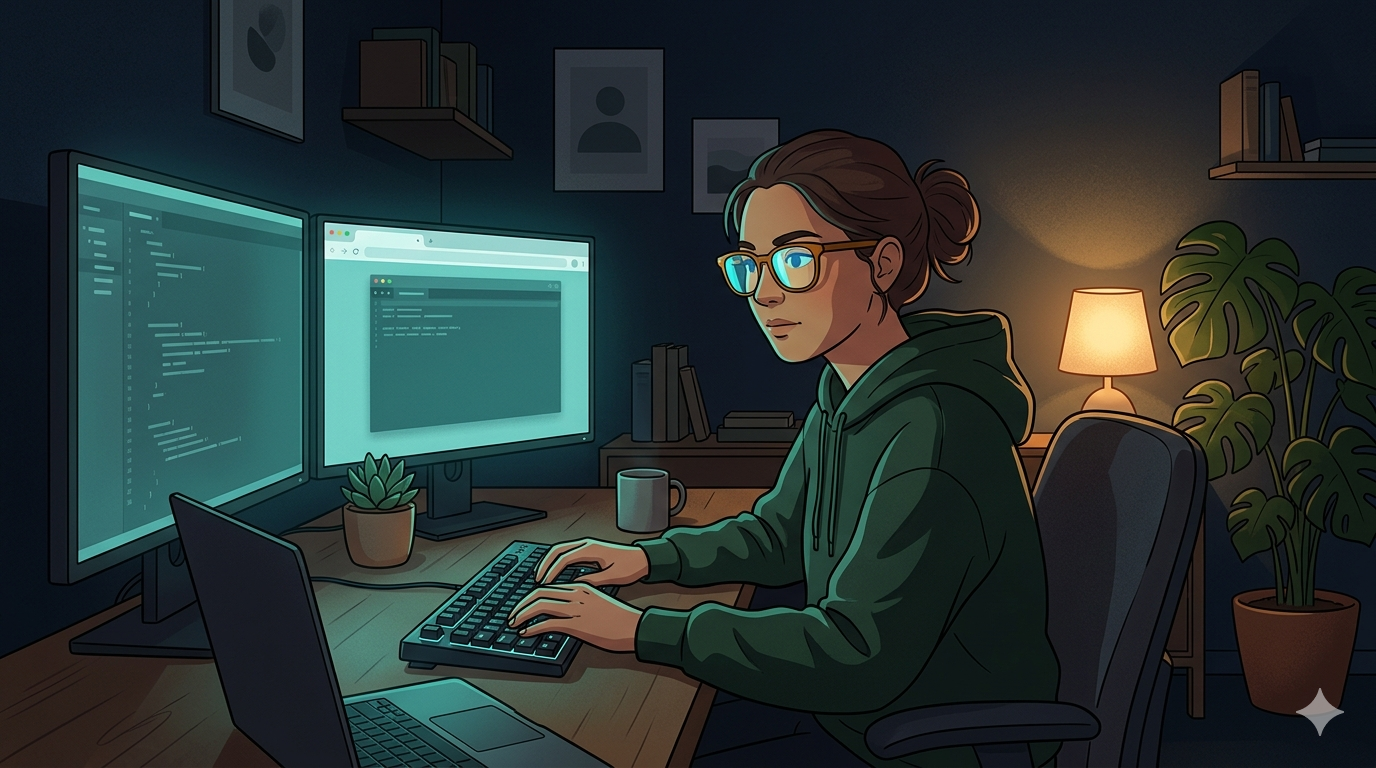
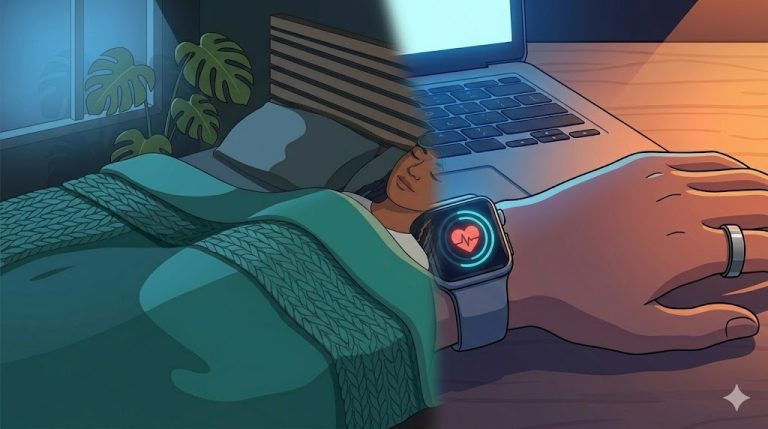
For the remote professional, the “digital sunset” is a rare event. We work across time zones, we catch up on emails after the kids are in bed, and we often find ourselves staring at high-resolution monitors well into the evening. While this flexibility is the crown jewel of remote work, it comes with a significant biological cost: blue light. Your screens are effectively mini-suns, blasting your eyes with short-wavelength blue light that tells your brain it is 12:00 PM, even when your wall clock says 10:00 PM.
This exposure isn’t just about “eye strain.” It is a direct assault on your circadian rhythm. Blue light suppress the production of melatonin more aggressively than any other part of the visible spectrum. When you check Slack at 9:00 PM without protection, you are essentially hitting the “snooze” button on your body’s entire sleep-induction system. You might feel “wired” and “focused” in the moment, but that’s just a surge of cortisol and a suppression of the sleep pressure you’ve spent all day building.
Blue light blocking glasses (or “computer glasses”) are your primary defense against this digital disruption. They allow you to maintain your productivity without sacrificing your nocturnal recovery. But the market is flooded with cheap, clear-lensed glasses that don’t actually block the wavelengths that matter. In this guide, we are looking at the science-backed options that provide real protection for the late-night remote worker.
Your eyes contain specialized cells called Intrinsically Photosensitive Retinal Ganglion Cells (ipRGCs). These cells contain a photopigment called melanopsin, which is specifically tuned to detect blue light in the 480nm range. When melanopsin detects this light, it sends a direct signal to your brain’s master clock to stop producing melatonin. To protect your sleep, you need glasses that target this specific wavelength. Clear-lensed “gaming” glasses often only block up to 420nm, which is great for eye strain but useless for circadian health. For night work, you need amber or orange lenses. According to the Sleep Foundation, wearing blue light blockers in the 2-3 hours before bed can significantly improve sleep onset and quality.
Beyond the circadian impact, blue light is high-energy light that scatters easily. This scatter makes it harder for your eyes to focus, leading to “digital eye strain” or Computer Vision Syndrome. This manifests as dry eyes, headaches, and that “burning” sensation after a long day at the desk. High-quality blocking glasses increase contrast and reduce this scatter, allowing your eye muscles to relax. For a remote worker staring at code or spreadsheets for 10 hours a day, this reduction in fatigue is a massive performance boost.
Swanwick (or “Swannies”) is the most respected name in the blue light space. Their amber lenses are specifically designed to block over 99% of the blue light between 400-500nm. They are the definitive “nighttime” glasses.
Felix Gray made their name with stylish, high-quality clear lenses for daytime use. However, their “Amber” lens collection is what we recommend for evening work. They offer a balance between aesthetic appeal and real protection.
If you don’t care about style and just want the best possible protection for the lowest price, the Uvex Skyper is a cult favorite. These are technically industrial safety glasses, but their orange lenses block nearly 100% of blue light.
| Feature | Swanwick Amber | Felix Gray Amber | Uvex Skyper |
|---|---|---|---|
| Blue Light Blocked | >99% (Circadian Range) | 80-90% | ~99% |
| Style Factor | High | Ultra-High | Low (Industrial) |
| Price Point | Premium | Premium | Budget |
| Best For | Late-Night Work | Evening Zoom Calls | Budget Optimization |
| Prescription? | Yes | Yes | No |
For the serious remote professional, the Swanwick Sleep Amber Glasses are our top recommendation. They provide the most consistent and scientifically validated protection for your melatonin levels. If you are working on a critical project after the sun goes down, these are the glasses you want on your face. They are an investment in your cognitive longevity.
However, if you are looking for a more versatile option that you can wear during late-afternoon meetings without looking like you’re ready for a laser tag match, the Felix Gray Amber series is a fantastic, stylish alternative.
By protecting your eyes from blue light, you have secured your internal clock. You are no longer “fighting” your screens for control of your biology. Now that we’ve covered the “Big Three” of sleep gear—curtains, masks, and glasses—you have a world-class recovery environment. Next, we’ll dive into the world of smart home automation, looking at how tools like Philips Hue can automate your “digital sunset” so you don’t even have to think about it. For today, grab a pair of blockers and feel the difference in your evening energy levels.