Physical Address
304 North Cardinal St.
Dorchester Center, MA 02124
Physical Address
304 North Cardinal St.
Dorchester Center, MA 02124
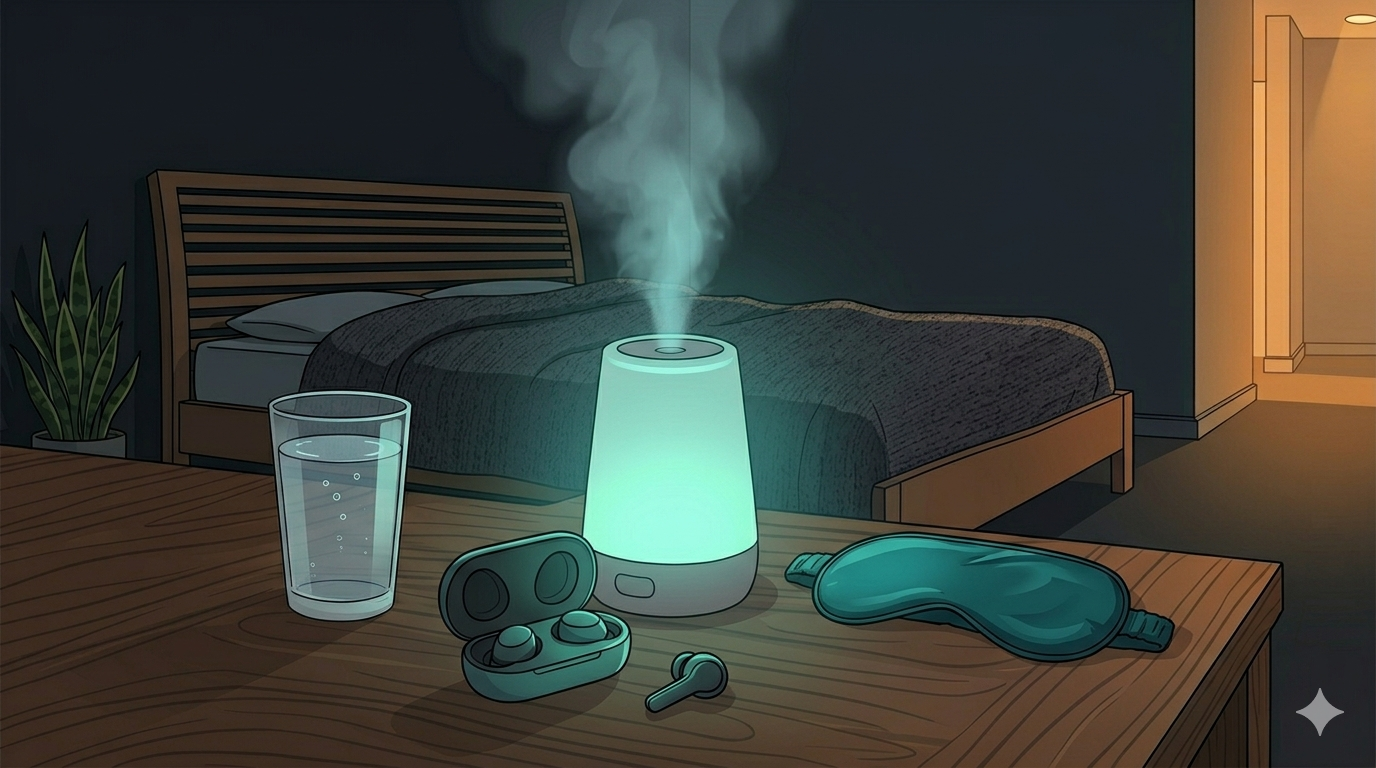
It’s 3:30 AM, and you are wide awake. Your mouth feels like it’s filled with cotton, and you have a dull, persistent ache behind your eyes. You stumble to the kitchen for a glass of water, only to realize that you spent the entire previous day living on black coffee and “quick-fix” energy drinks. You were so focused on your deep-work sessions and back-to-back Zoom calls that you completely forgot the basic biological necessity of hydration. Now, your sleep is fragmented, and your brain feels like it’s operating in a thick, dry fog.
For the remote worker, hydration is often an afterthought. When you aren’t walking to a communal water cooler or stepping out for a lunch break, it is incredibly easy to go hours without a single sip of water. We tend to focus on sleep trackers and blackout curtains, but we ignore the fact that our bodies are nearly 60% water. Every major physiological process involved in sleep—from temperature regulation to hormone synthesis—requires adequate hydration to function at an elite level.
Your body has a sophisticated system for managing fluids while you sleep. As you approach your bedtime, your brain releases a hormone called vasopressin. This hormone tells your kidneys to conserve water and concentrate your urine, allowing you to sleep through the night without frequent bathroom trips. However, research published in the journal Sleep suggests that people who sleep six hours or less have significantly higher rates of dehydration.
The study found that the late-night release of vasopressin occurs towards the end of the sleep cycle. If you are cutting your sleep short, you miss this critical hormone spike, leading to greater fluid loss and a “dehydrated” feeling the next morning. This creates a dangerous cycle: poor sleep leads to dehydration, and dehydration makes it harder to achieve deep, restorative sleep. It is a biological feedback loop that can only be broken by intentional, daytime hydration strategies.
We have previously discussed the importance of a drop in core body temperature for falling asleep. What many people don’t realize is that hydration is the “coolant” for your body’s internal engine. Your body cools itself primarily through vasodilation—sending blood to the surface of your skin to release heat. If you are dehydrated, your blood volume is lower, making this heat-exchange process much less efficient.
When your body can’t cool down effectively, your “sleep latency” (the time it takes to fall asleep) increases. You might find yourself feeling “hot” or restless, even if your bedroom is at the ideal 65°F. For the remote worker spending all day in a heated or air-conditioned home, the dry air can further deplete your fluid levels. Proper hydration ensures that your body’s “thermal radiator” is fully functional by the time you close your laptop for the night.
Dehydration doesn’t just affect your internal chemistry; it also affects your physical comfort. When you are low on fluids, your mouth and throat become dry and parched. This can lead to increased mouth-breathing during the night, which is a significant contributor to snoring and even mild sleep apnea symptoms. A dry airway is an airway, and irritation leads to micro-awakenings that you might not even remember the next morning.
Furthermore, dehydration makes your nasal mucus thicker, which can lead to congestion. If you have ever woken up feeling “stuff” despite not having a cold, dehydration might be the culprit. By maintaining optimal hydration levels during the day, you ensure that your airways remain moist and clear. This leads to smoother breathing, less snoring, and a much higher chance of staying in those deep, restorative stages of sleep without interruption.
How well are you managing your fluid levels for optimal rest? Rate yourself on a scale of 1 to 5 (1 = Never, 5 = Always).
Total Your Score:
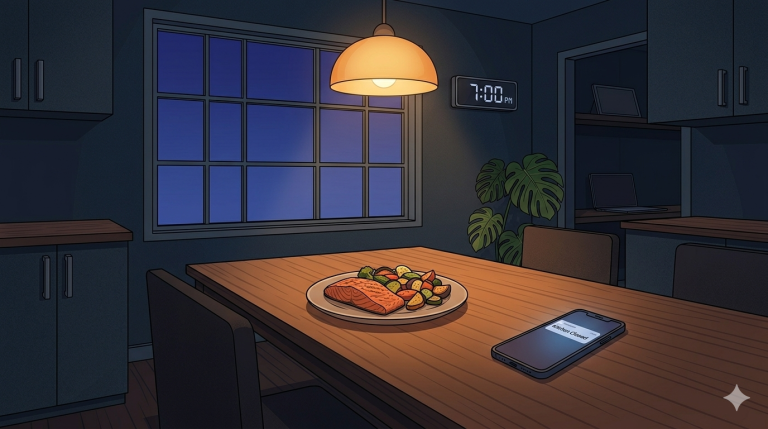
The biggest mistake remote workers make is “back-loading” their hydration. You forget to drink all day, realize you are thirsty at 7:00 PM, and then drink half a gallon of water before bed. This is a recipe for “nocturia”—waking up multiple times to use the bathroom. To protect your sleep, you must front-load your fluids.
Aim to consume the majority of your water intake during your most active work hours. This ensures that your cells are hydrated when you need the most mental clarity, and it gives your kidneys plenty of time to process those fluids before you need to sleep. By the time 8:00 PM rolls around, you should only be sipping small amounts of water or herbal tea for comfort, not to satisfy a deep thirst.
Hydration isn’t just about water; it’s about the minerals that help your body use that water. If you drink massive amounts of plain water without sufficient electrolytes (sodium, magnesium, potassium), you can actually flush out the very minerals you need for sleep. Magnesium, as we’ve discussed, is essential for muscle relaxation and nervous system calm.
For remote workers, adding a pinch of high-quality sea salt or a sugar-free electrolyte powder to your morning water can make a massive difference. It helps your body retain the fluids more effectively and prevents the “brain fog” often associated with mineral imbalances. Think of electrolytes as the “key” that unlocks your cells, allowing the water to enter and do its job.
Your environment plays a hidden role in your hydration. Most home offices and bedrooms have very low humidity, especially during the winter months. This dry air pulls moisture from your skin and your respiratory system while you work and while you sleep. If you wake up with dry eyes or a scratchy throat, your environment is likely “stealing” your hydration.
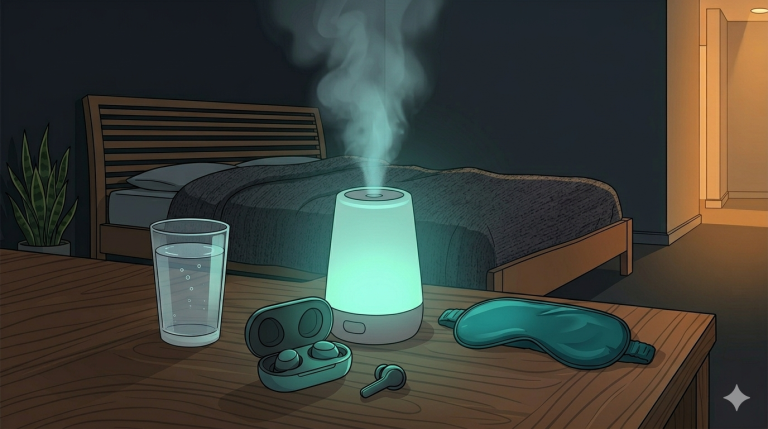
Investing in a high-quality humidifier for your bedroom can significantly improve your sleep quality. Maintaining a humidity level between 30% and 50% keeps your mucous membranes hydrated and reduces the likelihood of mouth-breathing. It’s an external hydration strategy that supports your internal efforts, creating a “moisture-rich” sanctuary for your recovery.
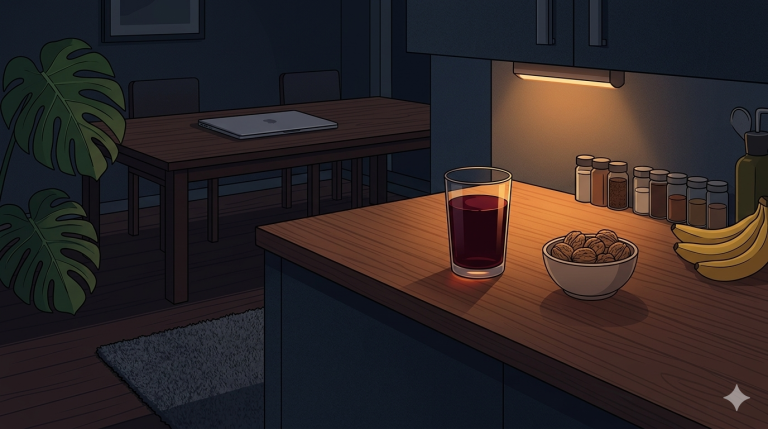
Not all fluids are created equal when it comes to sleep. While water is your foundation, certain “functional” fluids can enhance your wind-down process. We’ve mentioned tart cherry juice and chamomile tea, but the timing is key. These should be viewed as “rituals” rather than just drinks.
The psychological act of sipping a warm, caffeine-free tea signals to your brain that the “active” phase of the day is over. It provides a small amount of hydration without overwhelming your bladder. Avoid any fluids with added sugars or artificial sweeteners in the evening, as these can cause blood sugar spikes that interfere with your sleep architecture. Keep your evening “fluid menu” simple, clean, and intentional.
In our next week of Month 5, we will move beyond the basics of diet and hydration. We’ll explore the impact of lifestyle choices like alcohol consumption and exercise timing. We’ll look at how to maintain your progress even when life gets in the way of your perfect routine. Until then, stay hydrated and sleep deeply.
If you are still working on your eating schedule, revisit our article on Timing Your Meals to see how your food and water schedules should overlap for maximum impact.