Physical Address
304 North Cardinal St.
Dorchester Center, MA 02124
Physical Address
304 North Cardinal St.
Dorchester Center, MA 02124
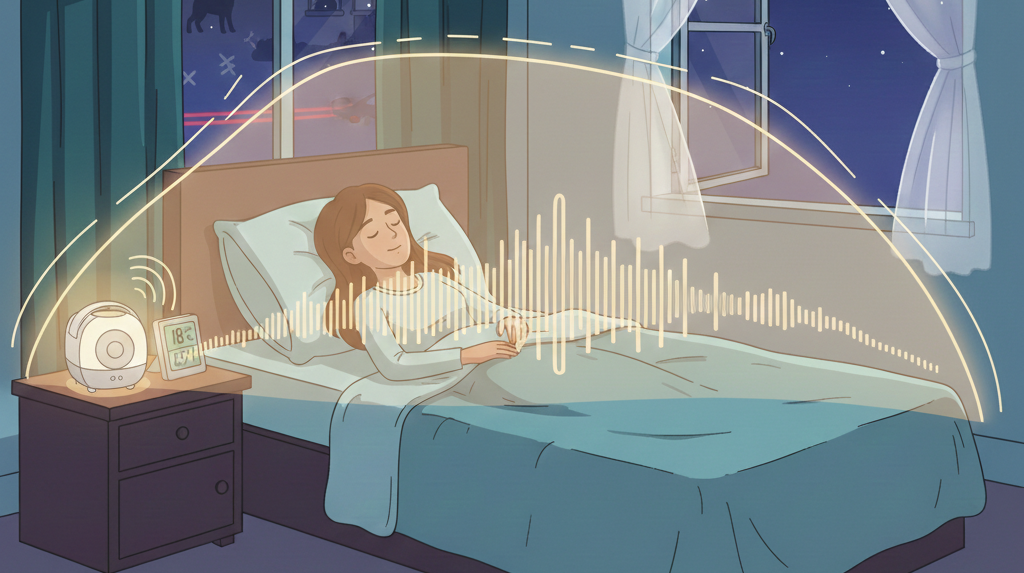
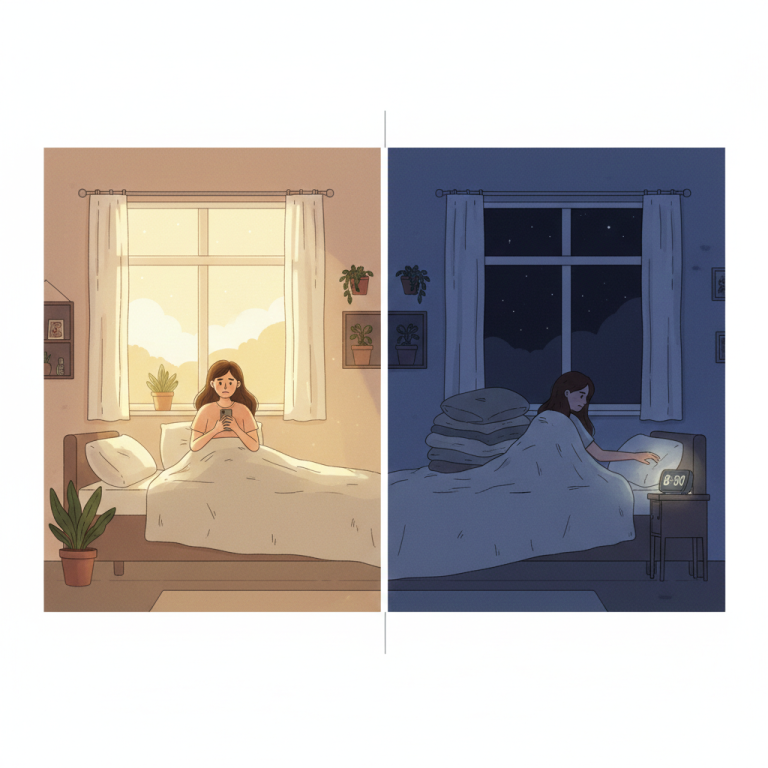
It’s 11 PM, and you’re finally ready to wind down after a long day of video calls and project deadlines. You’ve followed your pre-sleep routine, your bedroom is perfectly dark, and you’re feeling ready for a good night’s sleep. Then it happens: your neighbor’s dog starts barking, a car alarm goes off down the street, or your upstairs neighbor decides this is the perfect time to rearrange their furniture.
Sound familiar? If you’re a remote worker, you’re probably dealing with a unique set of audio challenges that traditional office workers don’t face. Your home environment serves double duty as both your workplace and your sanctuary, which means you’re contending with residential noise throughout the day and night. Unlike a traditional office building designed for quiet work, your home might be subject to barking dogs, lawn mowers, delivery trucks, noisy neighbors, and all the other sounds of daily life.
These sounds don’t just disrupt your sleep when you’re trying to fall asleep – they can actually pull you out of deep sleep stages throughout the night, even if you don’t fully wake up. The result? You might technically get eight hours in bed, but you wake up feeling like you barely slept at all.
This is where the concept of “sleep sounds” comes in. But with so many options available – white noise, pink noise, brown noise, or even complete silence – how do you know which approach is right for your unique situation? The answer depends on your specific environment, your personal preferences, and what types of sounds you’re trying to mask.
Here’s something that might surprise you: your brain never fully “turns off” sound processing, even when you’re in deep sleep. While you’re less likely to consciously notice sounds while sleeping, your brain is still monitoring your environment for potential threats or changes.
This evolutionary feature that once helped keep our ancestors safe from predators can work against us in modern environments. Your brain is constantly scanning for what sleep researchers call “acoustic changes” – sudden shifts in volume, pitch, or rhythm that might indicate something important is happening.
When your brain detects these changes, it can trigger what are called “micro-arousals” – brief moments where your brain becomes more alert, even if you don’t fully wake up. These micro-arousals can pull you out of deep sleep stages and into lighter sleep, significantly reducing the quality of your rest.
This is why that random car door slamming at 2 AM can leave you feeling groggy the next day, even if you don’t remember waking up. Your brain registered the sound as a potential threat and shifted you out of deep sleep to lighter sleep, just in case it needed to wake you up fully.
Sound masking works by creating a consistent acoustic environment that makes sudden changes in sound less noticeable to your brain. Think of it like this: if you’re in a completely quiet room, a sudden sound of 40 decibels (like a door closing) will be very noticeable. But if you have a consistent background sound of 30 decibels, that same 40-decibel sound becomes much less jarring.
The key is consistency. Effective sleep sounds provide a steady, unchanging acoustic backdrop that helps normalize the sound environment in your room. This doesn’t mean the sounds need to be loud – in fact, the goal is to use the minimum volume necessary to mask disruptive sounds.
Different types of noise get their names from their similarity to how we describe colors of light. Just as white light contains all colors of the visible spectrum, white noise contains all audible frequencies. Other “colors” of noise emphasize different parts of the frequency spectrum.
What it sounds like: White noise is probably what most people think of when they hear “noise machine.” It sounds like steady static, similar to a radio tuned between stations, or a consistent “shhhhhh” sound.
How it works: White noise contains all audible frequencies at roughly equal intensity. This broad frequency coverage makes it excellent at masking a wide variety of sudden sounds, from high-pitched noises like alarms or voices to mid-range sounds like doors closing or footsteps.
Best for remote workers who: Deal with varied, unpredictable sounds throughout the night. If your home environment includes different types of noise – street traffic, neighbors, household sounds – white noise’s broad coverage can be very effective.
Potential drawbacks: Some people find white noise too “harsh” or “hissy,” especially when used at higher volumes. If you’re sensitive to high-frequency sounds, white noise might be more irritating than helpful.
What it sounds like: Pink noise has a deeper, more natural sound compared to white noise. It sounds like steady rainfall, rustling leaves, or a gentle waterfall. The sound is fuller and less “sharp” than white noise.
How it works: Pink noise contains all frequencies like white noise, but the higher frequencies are reduced in intensity. This creates a more balanced sound that many people find more pleasant and natural-sounding.
Best for remote workers who: Want effective sound masking but find white noise too harsh. Research suggests that pink noise might be particularly effective at promoting stable deep sleep stages, making it a great choice for people who have trouble staying asleep.
Potential drawbacks: While pink noise is excellent for general masking, it might not be as effective as white noise for masking very high-frequency sounds like smoke alarms or sharp voices.
What it sounds like: Brown noise (also called red noise) has an even deeper, more rumbly quality than pink noise. It sounds like a strong waterfall, heavy rain, or distant thunder. The sound is very low and “full.”
How it works: Brown noise emphasizes the lower frequencies even more than pink noise, creating a deep, rumbling sound that can be very calming and soothing.
Best for remote workers who: Are dealing with low-frequency disturbances like traffic rumble, furnace noise, or bass from neighbors’ music. Brown noise can also be very calming for people who find higher-frequency sounds anxiety-provoking.
Potential drawbacks: Brown noise might not be effective for masking higher-frequency sounds like voices, alarms, or sharp household noises. Some people find it too “heavy” or overwhelming.
What it sounds like: Complete absence of intentional sound.
How it works: Instead of adding sound to mask disruptions, this approach focuses on eliminating as many sound sources as possible and creating a naturally quiet environment.
Best for remote workers who: Live in naturally quiet environments, find any artificial sound distracting, or are highly sensitive to added stimulation. Some people sleep most naturally in complete silence.
Potential drawbacks: In a completely quiet environment, even very small sounds can become noticeable and disruptive. Internal body sounds (like your heartbeat or breathing) or very quiet external sounds (like a house settling) might become more apparent and potentially anxiety-provoking.
The process of finding your ideal sleep sound is highly individual and might require some experimentation. Here’s a systematic approach to figuring out what works best for you:
For one week, pay attention to the sounds that disturb your sleep. Keep a simple log by your bed and jot down any sounds that wake you up or that you notice when you’re trying to fall asleep. Note:
What type of sound it was (high-pitched, low rumble, sudden, constant)
What time it occurred
How disruptive it was
This will help you understand what types of sounds you most need to mask.
Based on your sound assessment:
If you have varied, unpredictable sounds, start with white noise
If you have general background noise but want something more natural-sounding, try pink noise
If you’re dealing with low-frequency rumbles, experiment with brown noise
If you live in a naturally quiet area, try sleeping without added sound first
The volume of your sleep sound is crucial. Start with the lowest volume that provides the masking effect you need. You should be able to hear someone speaking to you in a normal voice over the sound. If you have to raise your voice to be heard over your sleep sound, it’s too loud.
It can take several nights to adjust to a new sleep sound (or lack thereof). Give each option at least 4-5 nights before deciding whether it’s working for you. Your brain needs time to adapt to the new acoustic environment.
You might find that different sounds work better in different situations:
A lighter sound (like pink noise) for general nightly use
A stronger sound (like white noise) for particularly noisy nights
No sound at all for when you’re in very quiet environments
Dedicated white noise machines: These devices are specifically designed for sleep sounds and often provide the most consistent, high-quality audio. Look for machines that offer multiple sound options and don’t have obvious loops or repetitive patterns.
Top picks: The LectroFan EVO White Noise Machine offers 22 unique sounds including white, pink, and brown noise, plus fan sounds. The Hatch Restore 3 combines a smart light with sound machine capabilities and app control. For travel, the Marpac Rohm Portable White Noise Machine is compact and rechargeable with three sound options.
Smartphone apps: Convenient and portable, with many offering customizable sound mixing. However, be mindful of keeping your phone away from your bed – consider using a separate device like a tablet or old phone specifically for sleep sounds.
App recommendations: Noisli offers beautiful sound mixing with a clean interface, while Sleep Cycle combines sleep sounds with smart alarm features. For Android users, White Noise by TMSOFT provides extensive sound libraries and customization options.
Smart speakers: Devices like Amazon Echo or Google Home can play sleep sounds and can be voice-activated, but be sure to adjust privacy settings appropriately.
Setup tip: The Amazon Echo Dot (4th Gen) is perfect for bedroom use with its compact size and excellent sound quality. The Google Nest Speakers offers similar functionality with Google Assistant integration.
Box fans: A simple box fan can provide effective white noise while also providing air circulation. This is often the most cost-effective solution.
Budget-friendly pick: The Lasko 20″ Box Fan is a reliable, affordable option that provides consistent white noise and good air circulation. For quieter operation, the Honeywell QuietSet Tower Fan offers multiple speed settings and oscillation features.
Air purifiers: Many air purifiers create a consistent background sound similar to white noise while also improving air quality.
Dual-purpose option: The Levoit Core 300 Air Purifier provides excellent air cleaning with a gentle white noise effect. The Coway AP-1512HH Air Purifier is larger but offers superior filtration and consistent background sound.
HVAC systems: Your home’s heating and cooling system might already provide effective background noise. Some people find the gentle hum of a well-maintained HVAC system perfect for sleep.
If you work from home, you might find that the sound that helps you sleep is distracting during work hours. Consider:
Using a sound machine with a timer that turns off automatically
Choosing a sound that’s neutral enough to fade into the background during the day
Using different sounds for work and sleep
This is a common challenge. Options include:
Trying different types of noise to find one you both can tolerate
Using a sound machine placed closer to the person who needs it most
Considering individual solutions like sleep headphones or earbuds designed for sleep
For frequent travelers:
Invest in a high-quality sleep sound app on your phone
Consider a portable white noise machine specifically designed for travel
Look into sleep headphones or earbuds that can provide consistent sound without disturbing others
Travel solutions: The Big Red Rooster Portable Sound Machine is compact and battery-powered, perfect for hotel rooms. For a more discreet option, the SleepPhones Wireless are comfortable headphones designed specifically for sleep, while the Bose Sleepbuds II offer premium noise masking technology in a tiny package.
This is a legitimate concern. To maintain flexibility:
Practice sleeping in silence occasionally when you’re in naturally quiet environments
Gradually reduce the volume over time if you find you need increasingly loud sounds
View your sleep sound as a tool rather than a crutch – it’s there to help you manage your environment, not to replace your natural ability to sleep
If your home office is in or near your bedroom, consider creating different “sound zones” for different activities:
Work zone: Minimal background sound or sounds that promote focus (some people find brown noise helpful for concentration)
Transition zone: Gradually shift to your sleep sound during your pre-sleep routine
Sleep zone: Your chosen sleep sound at the volume that works best for rest
Your sound needs might change with the seasons:
Summer: You might need more sound masking when windows are open and neighborhood activity is higher
Winter: Heating systems might provide natural background noise, requiring less artificial sound
Holiday seasons: Temporary increases in neighborhood noise might require temporary adjustments to your usual routine
If you occasionally work non-traditional hours, sound masking becomes even more important:
Daytime sleep: You’ll likely need stronger sound masking to deal with daytime activity
Inconsistent schedules: Having a portable sound solution can help maintain consistent sleep quality regardless of when you need to rest
Remember that sound is just one piece of the sleep puzzle. For optimal rest, your sleep sound strategy should work in harmony with other good sleep practices:
Consistent sleep schedule: Try to go to bed and wake up at the same time, even on weekends
Dark environment: Combine your sound strategy with effective light blocking
Cool temperature: Keep your bedroom at a comfortable temperature for sleep
Comfortable bedding: Invest in a good mattress and pillows that support quality rest
After reading about all these options, you might be wondering where to start. Here’s a simple decision tree:
If you’re dealing with varied, unpredictable sounds: Start with white noise If you want something more natural-sounding: Try pink noise first If you’re mainly dealing with low-frequency rumbles: Experiment with brown noise If you live in a naturally quiet area: Try sleeping without added sound initially If you’re unsure: Start with pink noise, as it’s often the most universally tolerated
You don’t need to invest in expensive equipment to start experimenting with sleep sounds:
Free smartphone apps: Many offer high-quality sounds and let you experiment with different options
YouTube or streaming services: Search for “10-hour white noise” or similar videos
Household items: A box fan, air purifier, or even a humidifier can provide effective background noise
Nature sounds: If you live near consistent natural sounds (like waves or flowing water), you might already have the perfect sleep sound
Smart starter kit: If you want to try a few options without breaking the bank, consider the Sleep Easy Sound Conditioner which offers multiple sound options at an affordable price, or start with the highly-rated Relax Melodies app for your phone.
As you implement your chosen sleep sound strategy, keep these long-term factors in mind:
Flexibility: Maintain some ability to sleep without your chosen sound, in case you find yourself in situations where it’s not available.
Volume awareness: Be mindful of gradually increasing volume over time. If you find you need increasingly loud sounds, consider whether other factors might be affecting your sleep quality.
Regular assessment: Your sound needs might change as your living situation, work schedule, or life circumstances change. Periodically reassess whether your current approach is still serving you well.
The goal isn’t to find the “perfect” sleep sound immediately – it’s to find a solution that works better than what you’re currently doing. Even small improvements in your acoustic sleep environment can lead to noticeable improvements in sleep quality and, by extension, your work performance and overall well-being.
Many remote workers find that having some form of consistent background sound dramatically improves their sleep quality, especially when combined with other good sleep hygiene practices. The key is to start somewhere, give your chosen approach a fair trial, and be willing to adjust as you learn what works best for your unique situation.
Remember, you’re not just investing in better sleep – you’re investing in better work performance, improved mood, and better long-term health. The time and effort you put into optimizing your sleep environment will pay dividends in every area of your life.
Whether you choose the broad masking power of white noise, the natural sound of pink noise, the deep rumble of brown noise, or the simplicity of silence, the most important step is taking action to create a more consistent, peaceful acoustic environment for your sleep. Your brain – and your career – will thank you for it.
Ready to get started? Here’s a simple action plan:
This week:
Spend 2-3 nights paying attention to sounds that disturb your sleep
Download a free sleep sound app or find free options online
Try one type of noise for 4-5 nights
Next week:
If your first choice isn’t working, try a different type of noise
Experiment with volume levels
Consider your partner’s preferences if you share a bed
By the end of the month:
Decide whether you want to invest in a dedicated sound machine
Integrate your chosen sound into your pre-sleep routine
Assess how your sleep quality has improved
Getting started kit: For those ready to invest in better sleep immediately, consider the “Sleep Starter Bundle” approach: a good sleep mask like the MZOO Sleep Mask, a versatile sound machine like the LectroFan EVO, and some chamomile tea like Traditional Medicinals Nighty Night. This combination addresses multiple aspects of sleep optimization for under $100.
The journey to better sleep doesn’t have to be complicated. Start with one small change, be patient with the process, and remember that even small improvements can make a big difference in how you feel and perform each day.