Physical Address
304 North Cardinal St.
Dorchester Center, MA 02124
Physical Address
304 North Cardinal St.
Dorchester Center, MA 02124
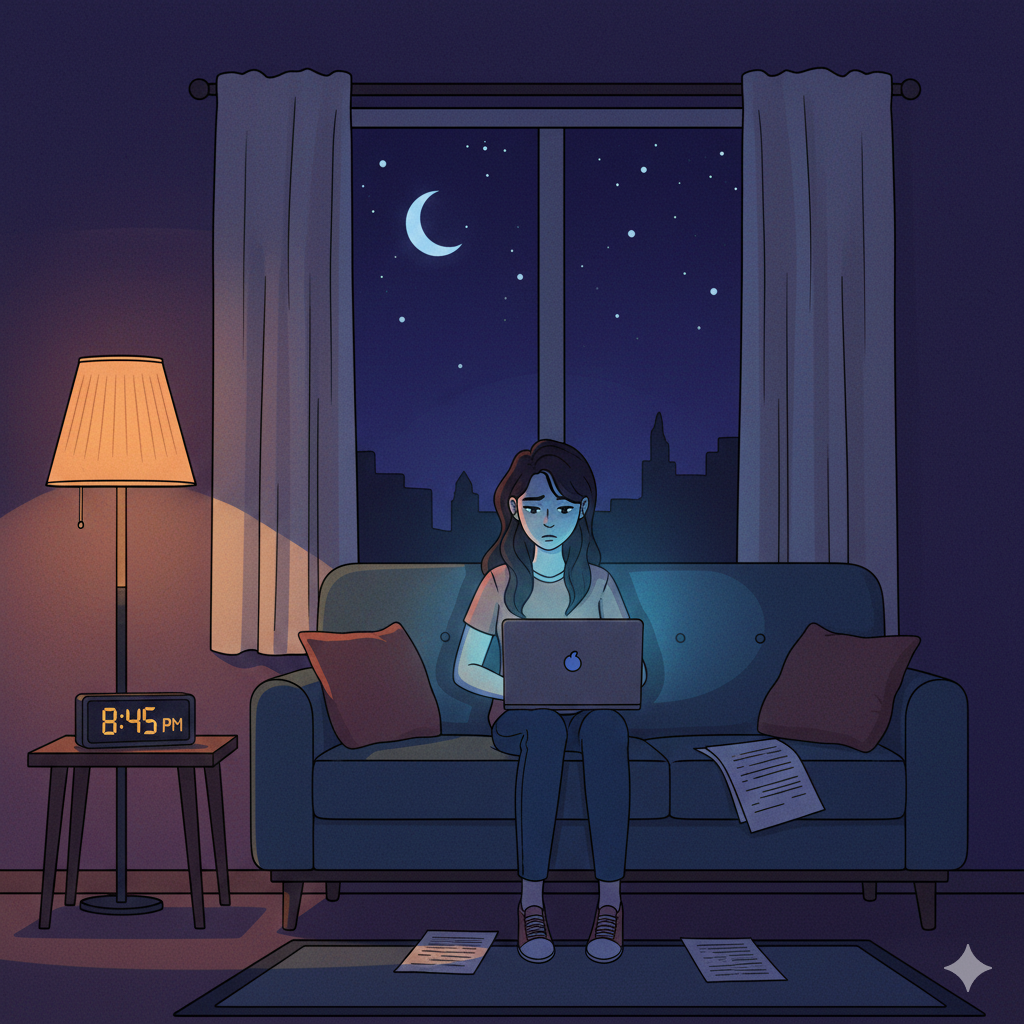
If you’re reading this while fighting off another wave of afternoon fatigue, you’re not alone. That persistent, low-grade tiredness that seems to follow you through your workday isn’t just “part of being an adult” – it’s likely sleep debt, and it’s more common among remote workers than you might think.
Sleep debt isn’t just about feeling tired; it’s your body’s way of keeping score. Every night you don’t get enough sleep, you’re essentially borrowing from tomorrow’s energy account. And just like financial debt, it accumulates interest in the form of reduced focus, increased irritability, and that foggy feeling that no amount of coffee seems to fix.
The unique challenges of remote work – the blurred boundaries, the “always-on” culture, the temptation to squeeze in just one more task – can unknowingly chip away at your sleep hours. But here’s the encouraging news: understanding how sleep debt works is your first step toward reclaiming your energy and transforming your remote work experience.
Think of sleep debt like a bank account, but instead of money, you’re dealing with hours of rest. Let’s say your body needs 8 hours of sleep per night (the sweet spot for most adults), but you consistently get only 6 hours. Over five nights, you’ve accumulated 10 hours of sleep debt. That’s more than an entire night’s sleep you owe your body.
Unlike financial debt, you can’t simply pay it all back with one massive weekend sleep-in. Your body doesn’t work that way. Research shows that sleeping 12 hours on Saturday won’t erase five nights of 6-hour sleep. In fact, it might leave you feeling more groggy and disoriented.
The Science Behind the Fatigue: When you don’t get enough sleep, your brain doesn’t have time to complete its essential maintenance tasks. It’s like trying to run a computer without ever letting it update or clear its cache. Your brain needs sleep to consolidate memories, clear out metabolic waste, and reset neurotransmitter levels. Without adequate rest, these processes remain incomplete, leading to that persistent mental fog.
The Sneaky Nature of Sleep Debt: What makes sleep debt particularly insidious is how it can build up gradually. Even losing just 30 minutes of sleep per night might not feel dramatic, but over a week, that’s 3.5 hours of debt. Over a month, you’re looking at 15 hours – nearly two full nights of sleep your body is missing.
Remote work offers incredible flexibility, but it also creates unique sleep challenges that office workers rarely face:
The Disappearing Commute Effect: Without a commute to create natural boundaries, your workday can stretch indefinitely. That 30-minute drive home used to serve as a transition period, helping your brain shift from work mode to rest mode. Now, you might close your laptop at 6 PM and immediately start dinner, never giving your mind a chance to decompress.
The Always-Accessible Office: When your bedroom is 20 feet from your desk, it’s tempting to check “just one more email” before bed. That quick check often turns into 30 minutes of work, directly cutting into your sleep window. Even worse, the blue light from your screen signals to your brain that it’s daytime, making it harder to fall asleep afterward.
The Flexibility Trap: While having control over your schedule is a perk, it can lead to inconsistent sleep-wake times. You might stay up late on Sunday to prep for Monday’s meetings, sleep in on Tuesday because you can, and then find yourself wide awake at midnight on Wednesday. This irregular schedule confuses your body’s internal clock, making quality sleep elusive.
The Sedentary Lifestyle Factor: Remote work often means less physical activity throughout the day. You’re not walking to meetings, climbing stairs, or even standing at a printer. This reduced physical activity can make it harder to feel naturally tired at bedtime, creating a frustrating cycle where you’re mentally exhausted but physically restless.
The Isolation Amplifier: Working alone can increase stress and anxiety, especially when dealing with challenging projects or tight deadlines. Without colleagues to share concerns with or bounce ideas off, you might find yourself lying awake replaying work scenarios or worrying about tomorrow’s tasks.
The impact of sleep debt extends far beyond feeling tired. It affects every aspect of your remote work performance and personal well-being:
Cognitive Performance Takes a Hit: Sleep debt doesn’t just make you feel foggy – it measurably reduces your cognitive abilities. You might notice it takes longer to solve problems, you make more typos, or you struggle to concentrate during video calls. Research indicates that being awake for 18 hours straight impairs your performance similarly to having a blood alcohol level of 0.05%.
Emotional Regulation Becomes Difficult: Ever notice how everything feels more overwhelming when you’re tired? Sleep debt affects your ability to manage emotions effectively. You might find yourself snapping during team meetings, feeling overwhelmed by routine tasks, or experiencing mood swings that seem disproportionate to the situation.
Your Immune System Suffers: Chronic sleep debt weakens your immune response, making you more susceptible to illness. For remote workers, this can mean more sick days, which often leads to playing catch-up and creating even more stress.
Decision-Making Quality Declines: From choosing what to eat for lunch to making important business decisions, sleep debt impairs your judgment. You might find yourself procrastinating on important tasks or making choices you later regret.
The Appetite Disruption: Sleep debt affects hormones that regulate hunger and satiety. You might notice increased cravings for high-calorie, sugary foods, or find yourself mindlessly snacking while working. This isn’t a lack of willpower – it’s your sleep-deprived brain seeking quick energy.
Recovery from sleep debt requires a strategic approach. Here’s how to start reclaiming your energy:
1. Calculate Your Personal Sleep Need
Most adults need 7-9 hours of sleep per night, but your individual need might vary. Pay attention to how you feel after different amounts of sleep. Track your sleep for a week using a simple journal or a sleep tracking app like Sleep Cycle or the built-in sleep tracking on your smartphone.
Action Step: For one week, note when you go to bed, when you fall asleep (approximately), when you wake up, and how you feel the next day. Look for patterns.
2. Implement the 15-Minute Rule
Instead of dramatically shifting your bedtime, try going to bed 15 minutes earlier each night for a week. This gradual approach is less disruptive to your circadian rhythm and more sustainable long-term.
Week 1: Go to bed 15 minutes earlier Week 2: Go to bed 30 minutes earlier Week 3: Go to bed 45 minutes earlier Week 4: Reach your target bedtime
3. Create a Work Shutdown Ritual
Establish a clear boundary between work and rest time. This might include:
Tool Recommendation: Consider using a blue light blocking app like f.lux on your computer or blue light blocking glasses if you must use screens in the evening.
4. Optimize Your Sleep Environment
Your bedroom should be a sanctuary for sleep. Consider these investments:
5. Strategic Weekend Recovery
Instead of sleeping in until noon on weekends, try this approach:
6. Monitor Your Progress
Consider investing in a sleep tracking device like an Oura Ring, Fitbit, or Apple Watch to monitor your sleep patterns, recovery, and how changes in your routine affect your sleep quality.
The Compound Effect of Better Sleep
As you begin to pay back your sleep debt, you’ll likely notice improvements in unexpected areas:
Remember, recovering from sleep debt is a marathon, not a sprint. Be patient with yourself as you implement these changes. Your body has been running on insufficient rest for potentially months or years – it will take time to fully recover.
The investment you make in your sleep today will pay dividends in every area of your life. Better sleep isn’t a luxury for remote workers; it’s a necessity for peak performance and long-term well-being.