Physical Address
304 North Cardinal St.
Dorchester Center, MA 02124
Physical Address
304 North Cardinal St.
Dorchester Center, MA 02124
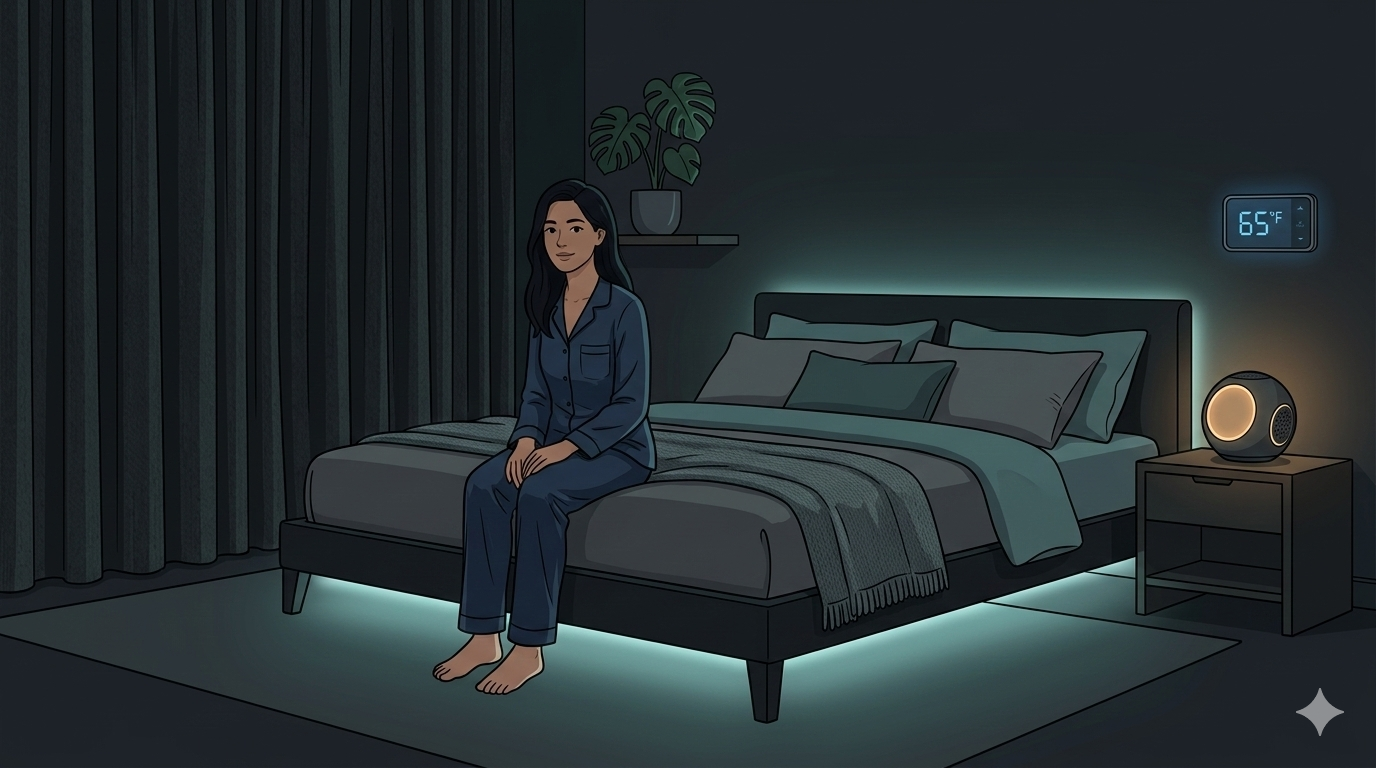
The world of sleep technology is booming, promising solutions for every sleep woe imaginable. As a remote worker, you’re constantly seeking ways to optimize your environment and maximize your performance—and this naturally extends to your sleep. But with an overwhelming array of gadgets, from smart mattresses costing thousands to specialized pillows and advanced sound machines, how do you discern what’s truly worth the investment and what’s just expensive marketing hype?
The key is to approach sleep tech strategically. Rather than buying the latest trending gadget, focus on solutions that address a specific, measurable problem you’re experiencing. For remote professionals, the most valuable tech enhances your sleep environment, reduces the unique distractions of working from home, and supports your body’s natural recovery processes after intense workdays.
Let’s cut through the noise and explore what truly makes the cut for your optimized remote work lifestyle—and what you can probably skip.
Before investing in any gadget, honestly assess which of these primary sleep challenges you’re facing:
Environmental Control Issues:
Physical Comfort Problems:
Stress and Mental Challenges:
Circadian Rhythm Disruption:
Data and Awareness Gaps:
1. Advanced Sleep Trackers Already covered in detail, but worth emphasizing their value
Why they’re worth it for remote workers: Provide objective data about your recovery, stress levels, and sleep quality. Essential for remote workers who need to understand how their work patterns affect their rest.
Best options:
Investment Level: Medium to High, but the ROI in terms of health insights is significant.
2. Smart Lighting Systems
Why they’re game-changers for remote workers: Automate your light exposure to support your circadian rhythm. Crucial for signaling to your brain when to produce melatonin (warm, dim light in evening) and when to wake up (bright, cool light in morning).
Remote worker benefit: Counters the artificial light exposure that’s common in home offices. Many remote workers suffer from “light pollution” throughout the day, disrupting their natural sleep-wake cycle.
Best options:
Pro tip: Start with bedroom and main living area lights, then expand. Set automated schedules that dim lights gradually in the evening.
Investment Level: Medium ($200-400 for a basic setup)
3. Quality White Noise Machines
Why they’re essential for remote workers: Provide consistent, non-looping ambient sound to mask environmental noise. Unlike apps that drain your phone battery or require internet, dedicated machines offer consistent performance.
Remote worker benefit: Essential for blocking out common household noises (neighbors, pets, appliances, street traffic) that can disrupt sleep when you’re working and living in close proximity.
Best options:
Investment Level: Low to Medium ($50-170)
4. Smart Thermostats and Cooling Solutions
Why they’re worth it: Maintain optimal sleep temperature automatically. Your body temperature needs to drop 1-2 degrees to initiate sleep, and maintaining coolness throughout the night prevents sleep disruptions.
Remote worker benefit: Ensures a consistently cool sleep environment, which is vital for uninterrupted sleep, especially if your home fluctuates in temperature or you tend to sleep hot due to work stress.
Best options:
Investment Level: Medium to High ($200-2,500 depending on solution)
5. Advanced Air Quality and Environment Control
Why they matter: Poor air quality can significantly impact sleep quality. Dust, allergens, and CO2 buildup can cause frequent awakenings and reduced sleep quality.
Remote worker benefit: Home offices often have poor air circulation, and spending all day indoors can impact air quality. Better air = better sleep.
Best options:
Investment Level: Medium ($89-400)
6. Smart Mattresses and Sleep Surfaces
Why they can be worth it: If you have specific temperature regulation needs or want comprehensive sleep tracking without wearables.
Considerations: Expensive, and many benefits can be achieved with toppers or separate devices.
Best options:
Investment Level: High ($1,000-5,000+)
7. Light Therapy and Sunrise Simulation
Why they’re valuable: Help regulate your circadian rhythm, especially important for remote workers who may not get adequate morning light exposure.
Best options:
Investment Level: Low to Medium ($59-199)
“Smart” Pillows with Built-in Tracking
Expensive Sleep Supplements and “Miracle” Drinks
Vibrating or Massaging Beds
Wearable EEG Headbands
Expensive “Smart” Bed Frames with Built-in Everything
Sleep Apps That Cost $10+ Monthly
Start with the issue that’s most disruptive to your sleep and work performance:
If noise is your biggest issue: Start with a quality white noise machine ($50-170) If temperature regulation is the problem: Begin with a smart thermostat ($200-250) or cooling mattress pad ($300-700) If you need data and insights: Invest in a quality sleep tracker ($200-400) If light exposure is inconsistent: Smart lighting system ($200-400)
No amount of technology can compensate for poor sleep hygiene:
Read reviews from multiple sources: Look for long-term user reviews, not just initial impressions Check return policies: Especially important for expensive items like mattresses or cooling systems Consider compatibility: Ensure devices work with your existing tech ecosystem Start small: Test one solution at a time to understand its impact
Think about how devices can work together:
Not everyone needs to spend thousands on sleep optimization. Here are effective budget-friendly options:
Under $50:
$50-150:
$150-300:
Month 1: Foundation
Month 2: Environment Optimization
Month 3: Advanced Tracking
Month 4: Luxury Additions
Many remote workers share their sleep space with a partner who may have different schedules or needs:
Track these metrics to determine if your investments are paying off:
Objective measures:
Subjective measures:
Professional impact:
Emerging technologies that show promise:
Week 1: Assessment
Week 2: Foundation
Week 3: First Investment
Week 4: Optimization
Month 2 and beyond:
Sleep technology can be incredibly powerful for remote workers, but it’s important to remember that gadgets are tools, not magic solutions. The most expensive smart mattress won’t help if you’re drinking coffee at 8 PM and answering emails until midnight.
The key is to use technology to support and enhance good sleep habits, not replace them. Start with the fundamentals, identify your specific challenges, and then choose tools that address those particular issues.
Your sleep is an investment in your remote work success. Every dollar spent on quality sleep technology—when chosen strategically—can pay dividends in increased productivity, better health, and improved quality of life.
The goal isn’t to have the most advanced sleep tech setup; it’s to create a sleep environment that consistently supports your body’s natural recovery processes, helping you wake up refreshed and ready to tackle whatever your remote work day brings.
Remember: the best sleep technology is the technology you’ll actually use consistently. Choose solutions that fit your lifestyle, budget, and specific needs. Start simple, build gradually, and let the data guide your decisions.
Your future self—both the professional and the person—will thank you for the investment in better sleep.