Physical Address
304 North Cardinal St.
Dorchester Center, MA 02124
Physical Address
304 North Cardinal St.
Dorchester Center, MA 02124
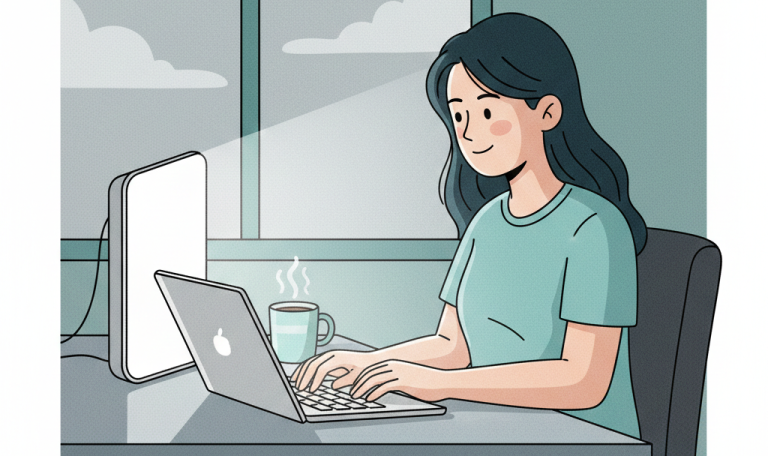
You know that feeling when you wake up more tired than when you went to bed? Your neck is stiff, your lower back aches, and you’re already dreading another day hunched over your laptop. If this sounds familiar, you’re not alone. The reality is that your daytime desk setup and your nighttime sleep setup are working against each other, creating a cycle of discomfort that’s sabotaging both your productivity and your well-being.
Here’s what many remote workers don’t realize: your body spends about 8 hours recovering from the 8+ hours you spend at your desk. If your mattress and pillow aren’t actively supporting this recovery, you’re essentially undoing any progress your body tries to make while you sleep. It’s like trying to fill a bucket with a hole in the bottom.
Research consistently shows that proper spinal alignment during sleep is crucial for muscle recovery and pain prevention. But here’s the encouraging news: with the right sleep setup, you can actually use your sleeping hours to counteract the negative effects of desk work. Let’s transform your bedroom into a recovery center.
When you sit for extended periods, several things happen to your body:
Forward Head Posture: Your head shifts forward, straining your neck muscles and creating tension that can radiate down your spine.
Rounded Shoulders: Your shoulders roll inward, tightening chest muscles and weakening upper back muscles.
Hip Flexor Tightness: Your hip flexors shorten from prolonged sitting, which can pull on your lower back.
Compressed Spine: Sitting puts more pressure on your spinal discs than standing or lying down.
The good news? Sleep is your body’s natural repair time. During deep sleep, your body releases growth hormone, which helps repair damaged tissues. Your spinal discs also rehydrate and decompress. But this recovery process only works optimally when your spine is properly supported.
Before we dive into recommendations, let’s figure out your natural sleep position. For the next few nights, pay attention to how you fall asleep and how you wake up. Most people have a preferred position, though you might move throughout the night.
Quick Assessment Questions:
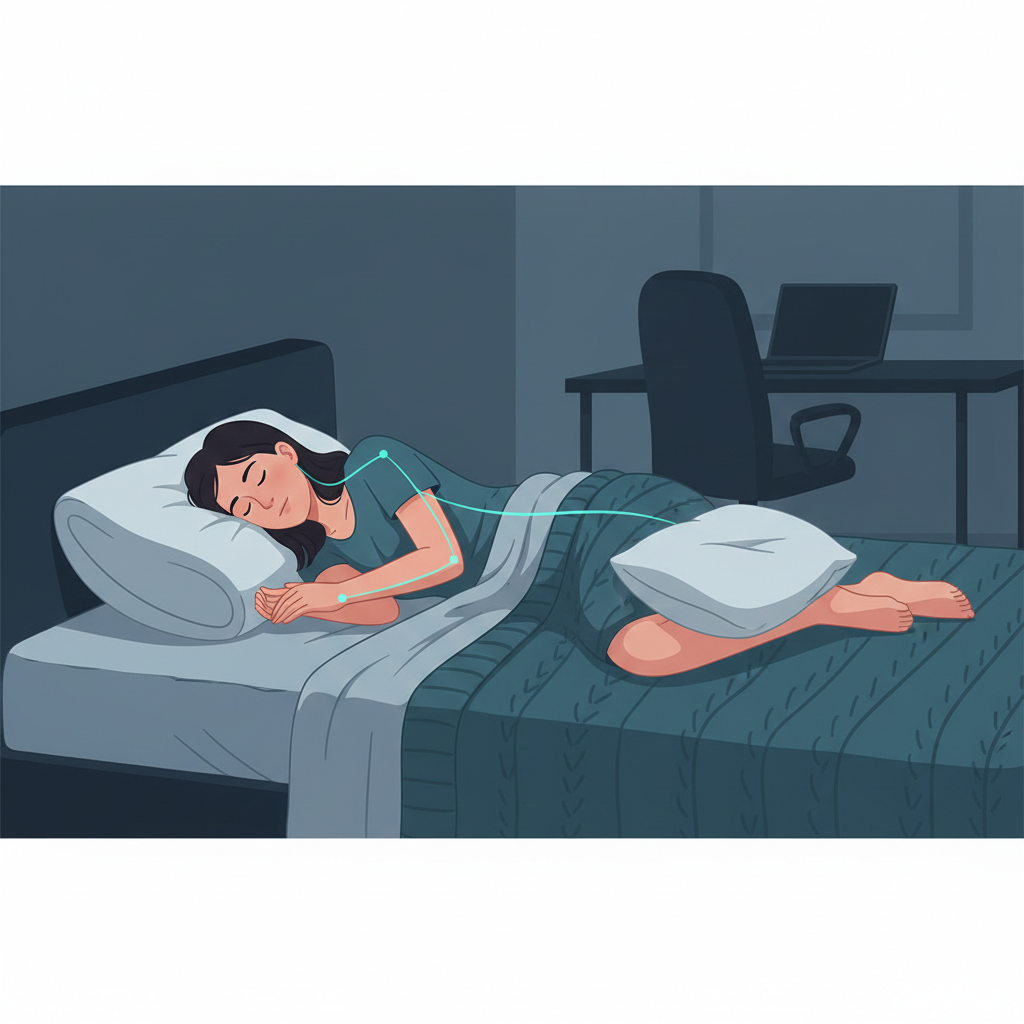
Why It’s Ideal for Remote Workers: Side sleeping naturally opens your airways (reducing snoring), takes pressure off your back, and allows your spine to maintain its natural curves. For desk workers dealing with rounded shoulders and forward head posture, side sleeping can actually help counteract these issues.
The Perfect Side Sleeper Setup:
Pillow Strategy:
Top Pillow Recommendations:
Mattress Strategy: You need a mattress that supports your body’s natural curves while providing pressure relief for your hips and shoulders. This usually means medium-firm support with some contouring ability.
What to Look For:
Top Mattress Recommendations:
The Knee Pillow Game-Changer: Place a pillow between your knees to keep your hips aligned and reduce strain on your lower back. This is especially important if you have tight hip flexors from sitting.
Recommended Knee Pillows:
Why It Works for Desk Workers: Back sleeping naturally maintains spinal alignment and can help counteract forward head posture. It’s also the best position for preventing wrinkles and reducing acid reflux.
The Perfect Back Sleeper Setup:
Pillow Strategy:
Top Pillow Recommendations:
Mattress Strategy: Back sleepers need more support than side sleepers to prevent the hips from sinking too much, which can cause lower back pain.
Top Mattress Recommendations:
The Knee Support Trick: Place a pillow or rolled towel under your knees to maintain the natural curve of your lower back. This is especially helpful if you have tight hip flexors.
The Reality Check: I’ll be honest with you – stomach sleeping is the most challenging position for spinal health. It forces your neck into an unnatural position and can cause your lower back to arch excessively. However, if you’re a committed stomach sleeper, we can make it work better.
Making Stomach Sleeping Work:
Pillow Strategy:
Mattress Strategy: You need a firmer mattress to prevent your hips from sinking, which would cause excessive back arching.
Transitioning Away: If you’re open to it, try gradually transitioning to side sleeping by placing a pillow behind your back when you start on your side. This prevents rolling onto your stomach.
Before You Shop:
Shopping Tips:
Red Flags to Avoid:
Signs It’s Time for a New Pillow:
Pillow Care Tips:
Week 1: Assessment and Planning
Week 2: Pillow Optimization
Week 3: Mattress Research
Week 4: Full Setup and Fine-Tuning
“I wake up with my pillow on the floor”
“I toss and turn all night”
“My partner and I need different firmness levels”
“I’m a hot sleeper”
I know that quality mattresses and pillows can feel like a significant expense. But consider this: if you work from home and sleep 8 hours a night, you’re spending about 16 hours a day in either your desk setup or your sleep setup. The return on investment in terms of pain reduction, better sleep quality, and improved productivity can be substantial.
Think of it this way: poor sleep costs you energy, focus, and potentially medical bills down the road. A good mattress and pillow are investments in your health, your work performance, and your overall quality of life.
Your sleep setup should work as hard as you do. By optimizing your mattress and pillow for your specific needs as a remote worker, you’re not just improving your sleep – you’re investing in better days ahead.