Physical Address
304 North Cardinal St.
Dorchester Center, MA 02124
Physical Address
304 North Cardinal St.
Dorchester Center, MA 02124
You’ve probably noticed it – that weird feeling when the seasons shift. One day you’re bouncing out of bed with the sunrise, and the next week you’re hitting snooze for the third time, wondering why your usual 7 AM feels like 4 AM. If you’re working from home, this isn’t just in your head. Your body is literally recalibrating to a whole new light schedule, and your home office setup might be working against you.
For remote workers, our daily rhythm often revolves around our screens, not the sun. Yet, our bodies are intricately tied to the natural world. The shifting seasons – longer summer days, shorter winter nights, and the disruptive jolt of Daylight Saving Time – profoundly impact our circadian rhythm, our internal 24-hour clock. While you might think working from home insulates you from these changes, they can subtly throw your sleep schedule out of sync, leaving you feeling groggy, less productive, and perpetually out of step.
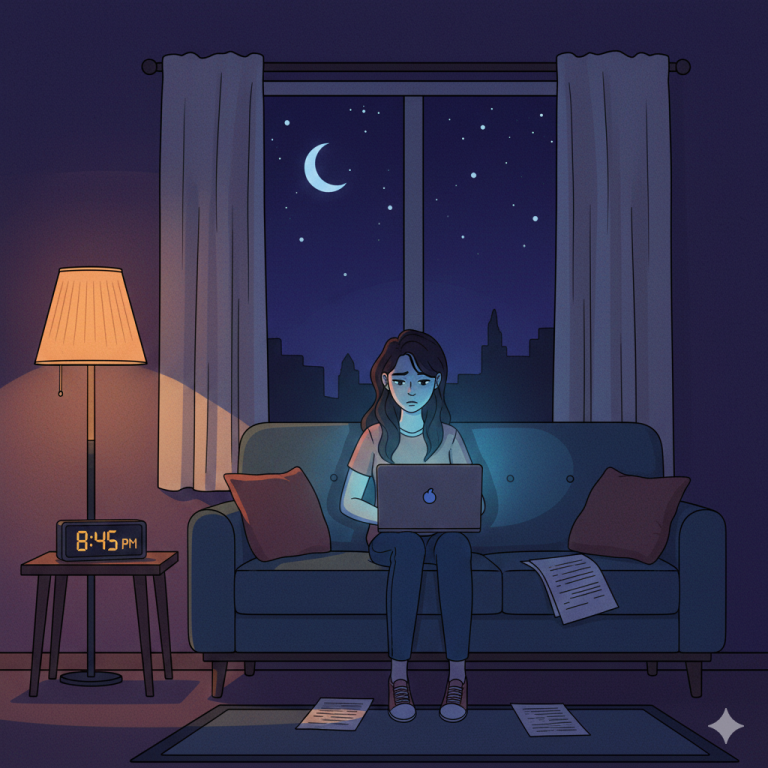
I’ve been there myself – staring at my laptop at 10 PM in July wondering why I’m not tired when it’s still light outside, or struggling to get motivated on those dark December mornings when my bedroom feels like a cave. The research on seasonal sleep changes is fascinating, and understanding how light and temperature fluctuations affect your body is key to proactively adjusting your remote work schedule for optimal rest and sustained energy throughout the year.
Your circadian rhythm isn’t just a fancy term – it’s your body’s master clock, and it’s surprisingly sensitive to environmental cues. Light is the primary conductor of this internal orchestra, and when the seasons change, it’s like someone keeps adjusting the tempo.
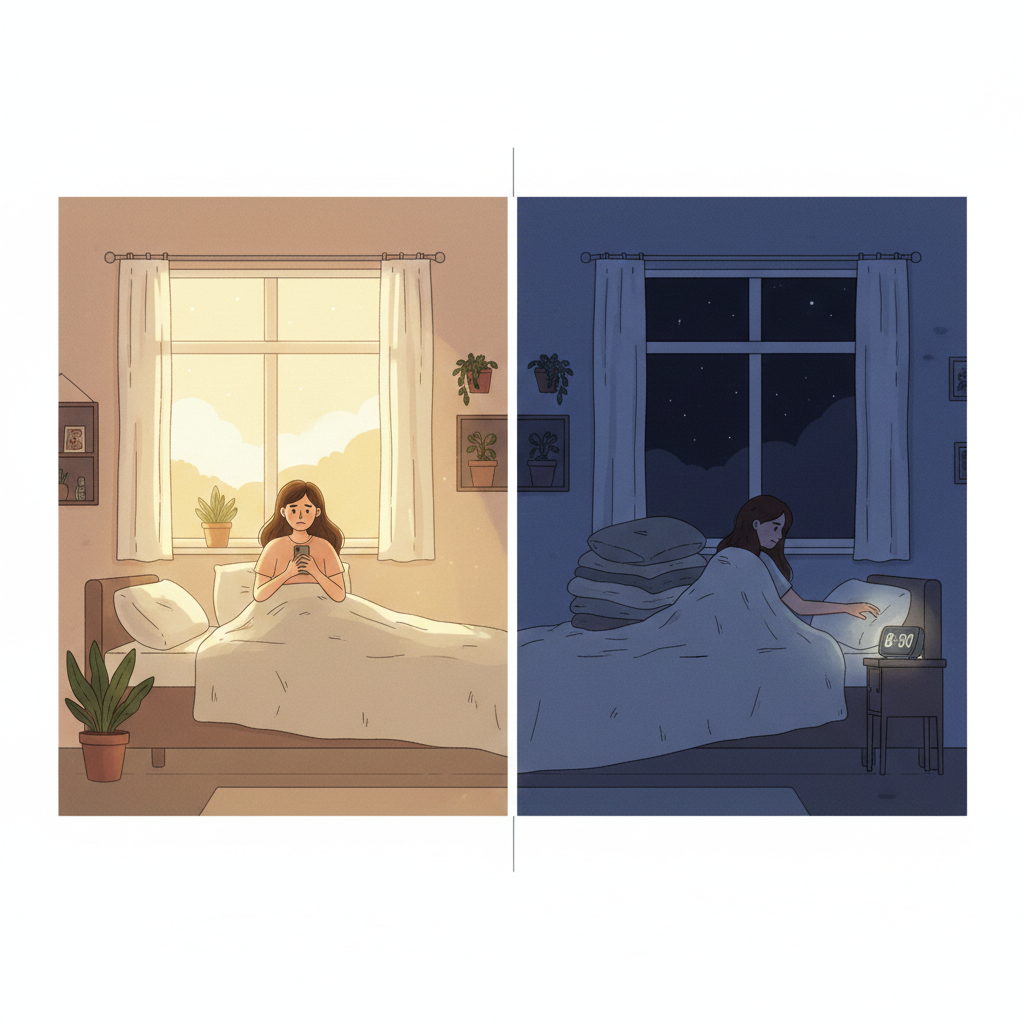
Spring/Summer (More Light, Longer Days): Think about those bright June mornings when sunlight streams through your window at 5:30 AM. That increased morning light can advance your internal clock, making you want to wake up earlier (whether you like it or not). But here’s the kicker – extended evening light can delay melatonin production, making it harder to fall asleep at your usual bedtime. You might find yourself wide awake at 11 PM, scrolling through your phone because your brain thinks it’s still afternoon.
Fall/Winter (Less Light, Shorter Days): The flip side is equally challenging. Reduced morning light can delay your internal clock, making it harder to wake up. You know that feeling when your alarm goes off in December and it feels like the middle of the night? That’s your circadian rhythm struggling with the lack of light cues. Less overall daylight can also lead to lower mood and energy, sometimes linked to Seasonal Affective Disorder (SAD).
Daylight Saving Time: The Ultimate Sleep Disruptor Twice a year, we essentially give ourselves voluntary jet lag. The spring forward is often harder, as it shortens your sleep by an hour, while the fall back gives you an extra hour but can still disrupt consistency. Your body doesn’t care about government time changes – it just knows something feels off.
For remote workers who might already have blurred boundaries with work and inconsistent routines, these seasonal changes can amplify existing sleep challenges. When your “commute” is walking from your bedroom to your home office, you’re missing out on natural light exposure that typically helps regulate your sleep-wake cycle.
Working from home creates unique seasonal sleep challenges that traditional office workers don’t face:
The Light Deprivation Trap: You might go days without getting adequate natural light exposure, especially in winter. Your morning routine might consist of rolling out of bed, grabbing coffee, and sitting in front of a screen all day. By evening, you’ve barely exposed your eyes to the type of bright light that helps regulate your circadian rhythm.
The Always-On Mentality: When your office is your home, the temptation to work late “just to finish one more thing” is stronger. This becomes even more problematic during seasonal transitions when your natural sleep cues are already disrupted.
The Climate Control Bubble: Central heating and air conditioning can mask your body’s natural temperature rhythms, which work alongside light cues to regulate sleep.
The key is to gently guide your body’s clock, rather than fighting it. Here’s how to work with your biology, not against it:
Action: No matter the season, get bright light exposure within 30 minutes of waking. This isn’t just about opening a curtain – you need intentional, bright light exposure.
The Science: This is the strongest signal to your brain to stop producing melatonin and to start your day, helping to anchor your circadian rhythm. Studies show that 10,000 lux of light exposure for 30 minutes can significantly improve sleep quality and daytime alertness.
Practical Implementation:
Tool Recommendation: A quality light therapy lamp is an investment in your productivity and well-being. The Philips SmartSleep Wake-up Light can gradually wake you with simulated sunrise, making those dark winter mornings more bearable.
Instead of letting DST blindside you twice a year, plan ahead:
Spring Forward Strategy: Start shifting your bedtime and wake time by 15 minutes earlier each day for 3-4 days leading up to the change. For example, if you normally go to bed at 10 PM, go to bed at 9:45 PM on Wednesday, 9:30 PM on Thursday, etc.
Fall Back Approach: Similarly, shift your bedtime and wake time by 15 minutes later each day for 3-4 days prior. This makes the one-hour jump or drop less jarring.
Why This Works: Gentle shifts allow your body to adapt without the shock of an abrupt change, minimizing “social jet lag.” It’s like easing into a cold pool instead of jumping in.
Pro Tip: Set calendar reminders a week before DST changes to start your gradual adjustment. Your future self will thank you when you’re not dragging through the week after the time change.
Action: Regardless of season, minimize bright, especially blue-rich, light exposure 2-3 hours before bed. This is crucial during summer when the sun might not set until after 8 PM.
The Challenge: Your laptop, phone, and overhead lights are all working against your body’s natural wind-down process. In summer, you might be fighting both artificial and natural light.
Solutions:
Action: Try to stick to a consistent bedtime and wake-up time every day, including weekends, within a 30-60 minute window.
The Remote Worker Challenge: Without external structure, it’s tempting to let your schedule drift. In summer, you might stay up later because it feels like afternoon. In winter, you might sleep in because it’s still dark.
Strategy: Think of your sleep schedule as a non-negotiable client meeting. You wouldn’t skip it, and you shouldn’t skip your sleep consistency either.
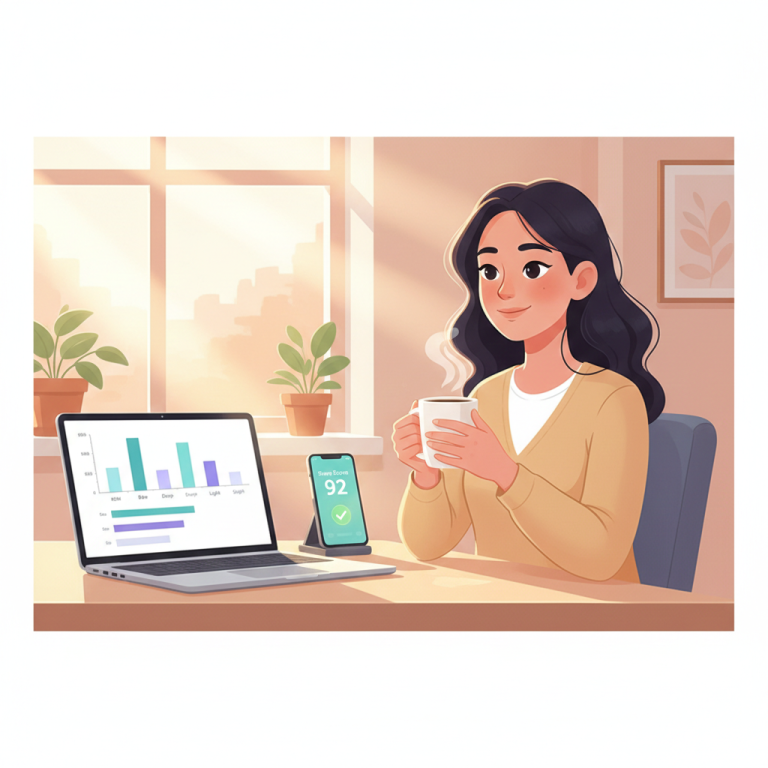
Accountability Tools: Use your phone’s sleep tracking feature or a dedicated app like Sleep Cycle to monitor your consistency and receive gentle reminders.
Action: Adapt your transition routines to maximize beneficial light exposure and aid in the winding-down process.
Summer Adjustments:
Winter Adjustments:
Year-Round: Create a physical transition ritual that signals the end of your workday. This might be changing clothes, doing a brief meditation, or simply closing your laptop and walking to another room.
Here’s a practical roadmap to implement these strategies:
“I Can’t Fall Asleep in Summer”
“I Can’t Wake Up in Winter”
“My Schedule Keeps Drifting”
By proactively managing your light environment and gently adjusting your schedule, you’re not just improving your sleep – you’re optimizing your entire remote work experience. Remote workers who master seasonal sleep adjustments report:
Remember, these adjustments take time. Be patient with yourself as you implement these changes, and don’t try to do everything at once. Start with one strategy that feels most manageable, then gradually add others as they become habit.
Your sleep isn’t just personal – it’s professional. When you sleep well, you work better, and when you work better, you create more opportunities for success in your remote career.