Physical Address
304 North Cardinal St.
Dorchester Center, MA 02124
Physical Address
304 North Cardinal St.
Dorchester Center, MA 02124

When was the last time you stepped outside before noon? If you’re like many remote workers, your morning routine might look like this: wake up, grab coffee, check emails, and settle into your home office – all without encountering a single ray of natural sunlight. While this setup offers comfort and convenience, it’s creating a subtle but significant problem: your body is living in a state of perpetual twilight.
Your ancestors spent most of their time outdoors, exposed to bright light during the day and darkness at night. This natural light-dark cycle helped regulate their internal clocks, ensuring they felt energized during the day and sleepy at night. Today, even our brightest indoor lights are significantly dimmer than natural outdoor light, creating a chronic state of “light deficiency” that can wreak havoc on your sleep, energy, and overall well-being.
The good news? You don’t need to relocate to a sunny climate or completely restructure your work life. Light therapy – the strategic use of bright, artificial light – can help reset your internal clock and restore your natural energy patterns, even if you spend all day indoors.
To understand why light therapy works, you need to grasp just how different indoor and outdoor light really are:
Indoor Light vs. Outdoor Light:
Even on a cloudy day, you’re getting 2-4 times more light outdoors than in the brightest indoor environments. This massive difference has real consequences for your body’s internal clock.
The Circadian Rhythm Connection
Your circadian rhythm is like a internal timekeeper that regulates when you feel alert and when you feel sleepy. This system relies heavily on light cues to stay synchronized. When you don’t get enough bright light during the day, several things happen:
The Remote Worker’s Perfect Storm
Several factors make remote workers particularly vulnerable to circadian disruption:
Limited Morning Light Exposure: Many remote workers wake up and immediately dive into work without stepping outside or even opening curtains. This means missing the crucial morning light that helps set your circadian rhythm for the day.
Inconsistent Light Patterns: Your light exposure might vary dramatically from day to day depending on weather, season, and your work schedule. This inconsistency confuses your internal clock.
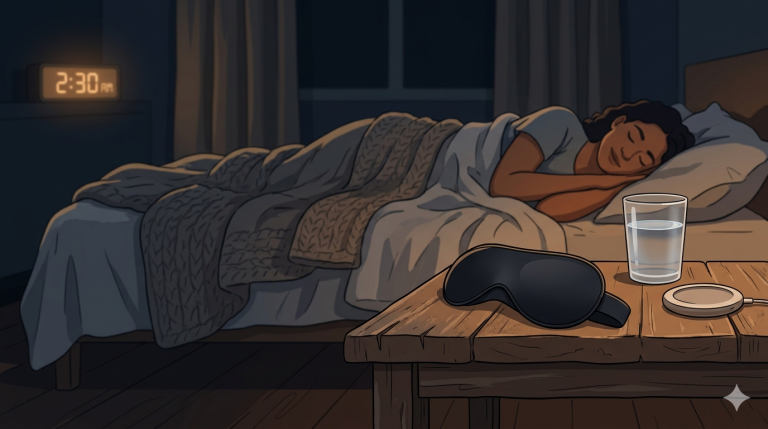
Excessive Evening Light: Working late often means exposure to bright screens and artificial light well into the evening, which can delay sleep onset and reduce sleep quality.
Lack of Light Contrast: Your body needs a clear contrast between bright days and dark nights. When you’re consistently in moderate indoor lighting, this contrast disappears.
Light therapy uses specially designed lamps that emit bright, full-spectrum light similar to natural sunlight. When light hits your eyes, it doesn’t just help you see – it triggers a complex biological response:
The Eye-Brain Connection: Specialized cells in your eyes (called intrinsically photosensitive retinal ganglion cells) detect light and send signals directly to your brain’s master clock, the suprachiasmatic nucleus (SCN).
Hormone Regulation: Bright light exposure suppresses melatonin production and can increase cortisol and serotonin levels, helping you feel more alert and positive.
Circadian Synchronization: Regular light therapy helps reinforce your body’s natural 24-hour cycle, making it easier to feel energized during the day and sleepy at night.
Essential Features to Look For:
Light Intensity: Look for a lamp that provides at least 10,000 lux at the recommended distance. This is the intensity that’s been most studied and proven effective.
Full-Spectrum Light: Choose lamps that emit light across the full spectrum, similar to natural sunlight. Avoid lamps that emit primarily blue light, which can be harsh on your eyes.
UV-Free: Ensure your lamp filters out harmful UV radiation while providing the beneficial wavelengths for circadian regulation.
Recommended Light Therapy Lamps:
For Beginners: The Verilux HappyLight Liberty is compact, affordable, and perfect for desktop use during your morning routine.
For Serious Users: The Lightphoria 10,000 LUX Energy Lamp offers professional-grade light therapy with adjustable settings and a larger light surface.
For Portability: The Circadian Optics Lumine Light Therapy Lamp is lightweight and perfect for travel or moving between rooms.
Budget-Friendly Option: The Miroco Light Therapy Lamp provides effective light therapy at a fraction of the cost of premium models.
Optimal Timing: The Golden Hour
The most effective time for light therapy is within the first hour of waking. This “golden hour” is when your body is most responsive to light cues that help set your circadian rhythm for the day.
Morning Light Therapy Protocol:
Duration: Start with 15-20 minutes and gradually increase to 30-45 minutes if needed.
Distance: Position the lamp 16-24 inches from your face, slightly off to one side. You don’t need to stare directly at the light.
Activities: Use light therapy time for:
Consistency is Key: Try to use your light therapy lamp at the same time each day, even on weekends. This consistency helps reinforce your circadian rhythm.
Morning Light Station: Set up a dedicated area where you can use your light therapy lamp each morning. This might be:
Workspace Lighting: Enhance your overall light exposure throughout the day:
Evening Light Management: Balance your morning light therapy with proper evening light hygiene:
The Seasonal Adjustment Protocol
During darker months, you might need to adjust your light therapy routine:
Winter Protocol:
Summer Protocol:
The Shift Worker’s Approach
If your work schedule varies or you work non-traditional hours:
The Fake Commute: Create a morning routine that mimics the light exposure you’d get from a traditional commute:
Midday Light Breaks: Take brief outdoor breaks during your workday:
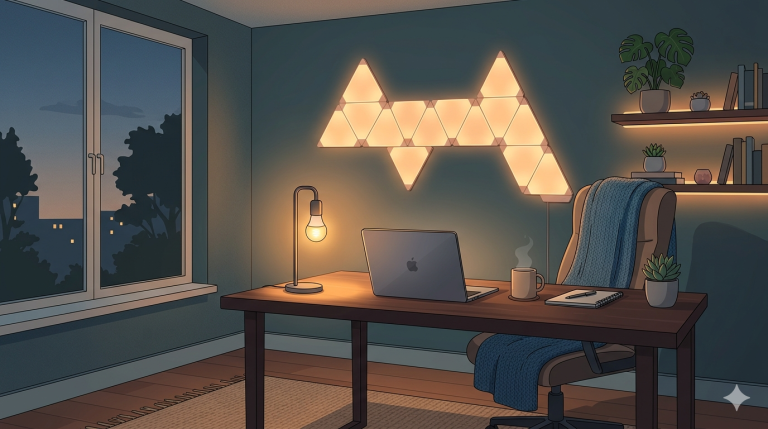
Workspace Positioning: Optimize your home office for natural light:
Sleep Quality Indicators:
Energy Level Tracking:
Mood and Productivity Measures:
Helpful Tracking Tools:
Week 1-2: You might notice subtle improvements in morning alertness and evening sleepiness. Some people experience immediate benefits, while others need more time.
Week 3-4: Your sleep-wake cycle should become more consistent. You’ll likely find it easier to wake up at your desired time and fall asleep at night.
Month 2-3: Maximum benefits typically appear around this time, including improved mood, better focus, and more stable energy levels throughout the day.
Long-term: With consistent use, many people find they need less caffeine, experience fewer seasonal mood changes, and maintain better sleep quality year-round.
Inconsistent Use: Using your light therapy lamp sporadically won’t provide the benefits you’re looking for. Consistency is more important than intensity.
Wrong Timing: Using light therapy late in the day can actually worsen sleep problems. Stick to morning sessions.
Insufficient Duration: Many people give up too quickly. Give light therapy at least 2-3 weeks of consistent use before evaluating its effectiveness.
Ignoring Other Sleep Hygiene: Light therapy works best when combined with other good sleep practices, not as a standalone solution.
Light therapy might seem like a simple solution, but its effects can be profound. By giving your body the light cues it needs, you’re not just improving your sleep – you’re optimizing your entire daily experience. Better energy, improved mood, enhanced focus, and more restful sleep are all within reach.
For remote workers who spend most of their time indoors, light therapy bridges the gap between our modern lifestyles and our biological needs. It’s a simple, natural way to ensure that working from home doesn’t mean sacrificing your health and well-being.
The investment in a quality light therapy lamp pays dividends every single day through increased productivity, better mood, and improved overall quality of life. In a world where we have less control over our environment than ever before, light therapy gives you the power to create the conditions your body needs to thrive.