Physical Address
304 North Cardinal St.
Dorchester Center, MA 02124
Physical Address
304 North Cardinal St.
Dorchester Center, MA 02124
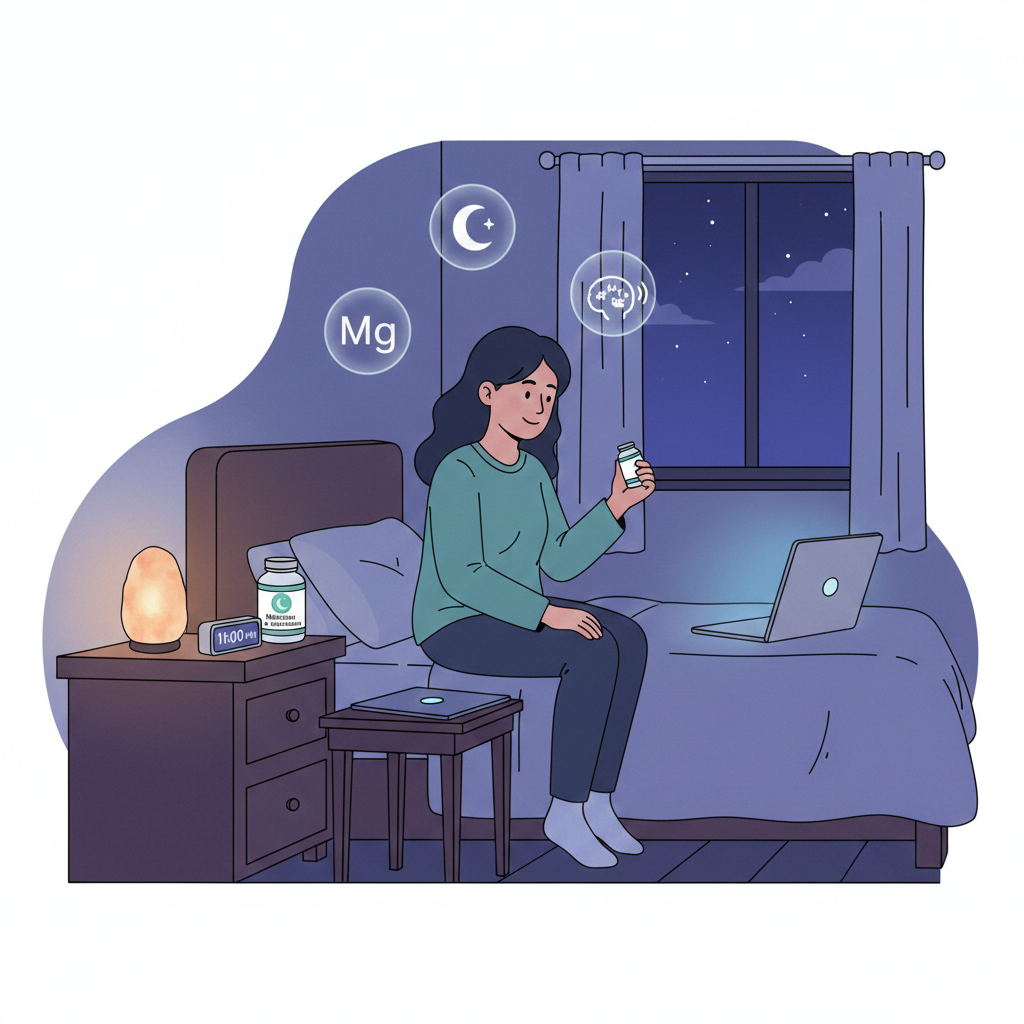
Picture this: It’s 11 PM, you’ve closed your laptop, but your mind is still racing through tomorrow’s to-do list. You lie in bed scrolling your phone, knowing you should sleep but feeling too wired to actually drift off. Sound familiar? You’re not alone in this struggle.
The remote work lifestyle comes with unique sleep challenges. Irregular schedules, screen time, social isolation, and the blurred boundaries between work and personal life can all disrupt your natural sleep patterns. While good sleep hygiene is always the foundation, sometimes your body needs a little extra support to get back on track.
The world of sleep supplements can feel overwhelming, with bold claims and confusing labels. But here’s the truth: certain natural compounds have solid research behind them and can be valuable tools when used thoughtfully. The key is understanding what works, what doesn’t, and how to use these supports safely and effectively.
Important Note: This information is for educational purposes only. Always consult with a healthcare provider before starting any new supplement regimen, especially if you have health conditions, take medications, or are pregnant or breastfeeding.
Before diving into specific supplements, let’s identify the common sleep disruptors in remote work:
Screen Time and Blue Light: Late-night screen exposure can suppress melatonin production, making it harder to fall asleep.
Irregular Schedules: Without a commute or office structure, sleep and wake times can drift, disrupting your circadian rhythm.
Stress and Anxiety: Work stress, financial concerns, and social isolation can keep your mind active when it should be winding down.
Physical Inactivity: Less movement during the day can affect your body’s natural sleep drive.
Caffeine Dependence: Many remote workers rely heavily on caffeine to stay alert, which can interfere with sleep if consumed too late.
Environmental Factors: Your home office might not be optimized for the light/dark cycle your body needs.
What It Is: Melatonin is a hormone your body naturally produces in response to darkness. It signals to your body that it’s time to sleep.
The Research: Studies show melatonin can reduce the time it takes to fall asleep and help reset disrupted sleep schedules. It’s particularly effective for jet lag and shift work sleep disorders.
Why Remote Workers Might Benefit:
How to Use It Effectively:
Common Mistakes to Avoid:
Quality Recommendations:
What It Is: Magnesium is an essential mineral involved in over 300 enzymatic reactions in your body, including those related to sleep and relaxation.
The Research: Studies suggest magnesium supplementation can improve sleep quality, especially in people with magnesium deficiency. It helps activate the parasympathetic nervous system, which promotes relaxation.
Why Remote Workers Might Need It:
Types of Magnesium (This Matters!):
How to Use It:
Quality Recommendations:
What It Is: L-Theanine is an amino acid found primarily in green tea that promotes relaxation without sedation.
The Research: Studies show L-Theanine can reduce anxiety, improve sleep quality, and promote alpha brain waves associated with relaxation.
Why Remote Workers Love It:
How to Use It:
Quality Recommendations:
What It Is: Ashwagandha is an adaptogenic herb that helps your body manage stress more effectively.
The Research: Clinical studies show ashwagandha can reduce cortisol levels, improve sleep quality, and help manage anxiety.
Why Remote Workers Might Benefit:
How to Use It:
Quality Recommendations:
What It Is: An amino acid that can help lower your core body temperature and improve sleep quality.
The Research: Studies show 3g of glycine before bed can improve sleep quality and reduce daytime fatigue.
Best For: People who run hot at night or have trouble with deep sleep.
Recommended Product: NOW Foods Glycine Powder
What It Is: An herbal remedy traditionally used for anxiety and sleep issues.
The Research: Small studies suggest it may improve sleep quality and reduce anxiety.
Best For: People whose sleep issues are primarily anxiety-related.
Recommended Product: Traditional Medicinals Passionflower Tea
What It Is: A neurotransmitter that promotes relaxation and reduces neural activity.
The Research: Mixed results on whether supplemental GABA effectively crosses the blood-brain barrier.
Best For: People who want to try a direct approach to increasing calming brain chemicals.
Recommended Product: NOW Foods GABA
Don’t try to fix everything at once. Start with one supplement for 2-4 weeks to assess its effectiveness.
Keep a simple sleep diary noting:
Based on your results, you might:
The Relaxation Stack:
The Circadian Reset:
The Stress Manager:
Taking Too Much: More isn’t always better. Start with the lowest effective dose.
Mixing Too Many: Don’t take multiple sleep aids without understanding their interactions.
Ignoring Timing: When you take supplements matters as much as what you take.
Skipping Sleep Hygiene: Supplements aren’t magic bullets – they work best alongside good sleep habits.
Not Giving Them Time: Some supplements need 2-4 weeks to show full effects.
Look For:
Red Flags:
Always consult a doctor if:
Consider seeing a sleep specialist if:
Natural sleep supports can be valuable tools in your remote work wellness toolkit, but they’re not magic solutions. The most effective approach combines good sleep hygiene, stress management, and strategic use of research-backed supplements.
Remember, the goal isn’t to become dependent on supplements but to use them as bridges while you establish better sleep patterns and address underlying issues. Many people find they can reduce or eliminate supplements once their sleep hygiene and stress management improve.
Your sleep is worth investing in. Quality sleep supports your immune system, cognitive function, emotional regulation, and overall quality of life. Whether you choose to incorporate natural sleep aids or not, prioritizing your rest is one of the best investments you can make in your remote work success.