Physical Address
304 North Cardinal St.
Dorchester Center, MA 02124
Physical Address
304 North Cardinal St.
Dorchester Center, MA 02124
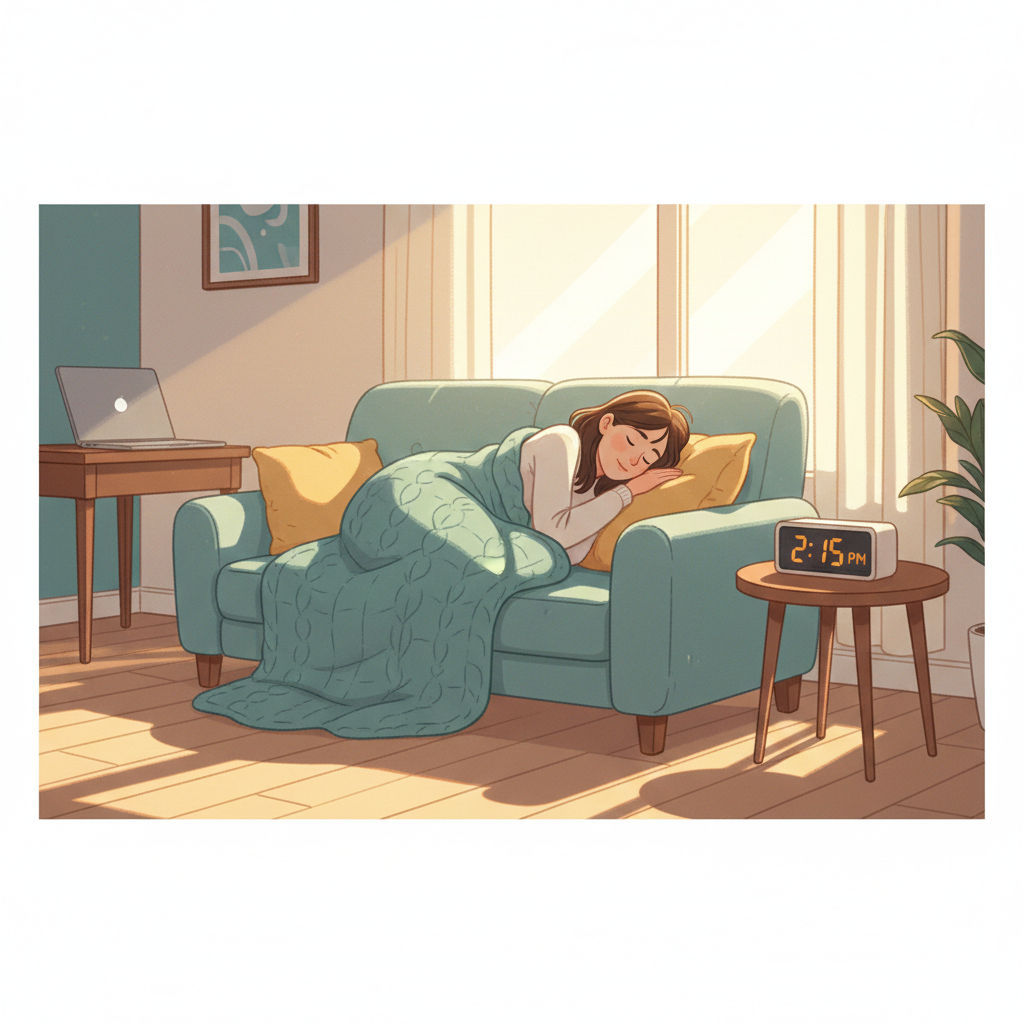
It’s 2:30 PM, and you’re staring at your computer screen, reading the same paragraph for the third time. Your eyelids feel heavy, your brain feels like it’s wrapped in cotton, and that comfortable couch in your living room is calling your name. If you’re an office worker, you might splash cold water on your face and power through. But as a remote worker, you have a secret weapon at your disposal: the strategic nap.
Before you dismiss napping as lazy or unprofessional, consider this: some of the world’s most successful people – from Winston Churchill to Albert Einstein to Bill Clinton – were devoted nappers. They understood something that modern sleep science has confirmed: a well-timed nap can be more effective than caffeine for boosting alertness, enhancing creativity, and improving overall performance.
The key word here is “strategic.” A poorly timed or too-long nap can leave you feeling groggy and disrupt your nighttime sleep. But when done correctly, napping becomes a powerful tool for optimizing your remote work performance.
Your energy levels throughout the day aren’t random – they follow a predictable pattern driven by your circadian rhythm. Most people experience a natural dip in alertness between 1 PM and 3 PM, roughly 7-9 hours after waking. This isn’t just a post-lunch crash; it’s a biological reality that occurs even if you skip lunch entirely.
This afternoon dip is actually an evolutionary feature. Our ancestors lived in hot climates where taking a midday rest helped them avoid the dangerous heat of the day. While we no longer face the same environmental pressures, our bodies still carry this genetic programming.
The Science of Nap Timing: Your body produces less of the stress hormone cortisol during this natural dip, while simultaneously increasing the production of melatonin (your sleep hormone). This creates the perfect biological window for a restorative nap.
Unlike office workers who might struggle to find a quiet place to rest, remote workers have unique advantages:
Privacy and Comfort: You can nap in your own bed, on your couch, or in any comfortable spot without worrying about colleagues’ judgment or uncomfortable office furniture.
Flexible Schedule: You can time your nap to align with your natural energy dips rather than forcing yourself to stay alert during low-energy periods.
No Commute Constraints: You don’t need to worry about missing a bus or train because you napped too long.
Personalized Environment: You can control temperature, lighting, and noise levels to create optimal napping conditions.
1. The 20-Minute Power Nap (The Gold Standard)
This is the most researched and recommended nap duration for most people.
Why 20 Minutes Works:
You’ll primarily stay in light sleep stages (Stage 1 and Stage 2)
You’ll avoid entering deep sleep, which prevents grogginess upon waking
It’s long enough to clear adenosine (the chemical that makes you feel sleepy) from your brain
It provides measurable improvements in alertness, motor performance, and mood
How to Execute:
Set a timer for exactly 20 minutes
Lie down in a dark, quiet room
Don’t worry if you don’t fall asleep – just rest with your eyes closed
When your alarm goes off, get up immediately (resist the urge to snooze)
2. The 90-Minute Complete Cycle Nap (Advanced Strategy)
This longer nap allows you to complete one full sleep cycle, including REM sleep.
When to Use:
When you have significant sleep debt
On weekends when you have more flexibility
When you need a creativity boost (REM sleep enhances creative thinking)
During particularly stressful periods when you need deeper restoration
Important Considerations:
Time it carefully – waking up mid-cycle (around 45-60 minutes) will leave you feeling terrible
Only use this strategy if you can maintain your regular nighttime sleep schedule
Not recommended for daily use
3. The Micro-Nap (10-15 Minutes)
Perfect for those days when you’re not quite tired enough for a full power nap but need a quick refresh.
Benefits:
Minimal risk of sleep inertia
Can be done almost anywhere
Provides a quick energy boost without disrupting nighttime sleep
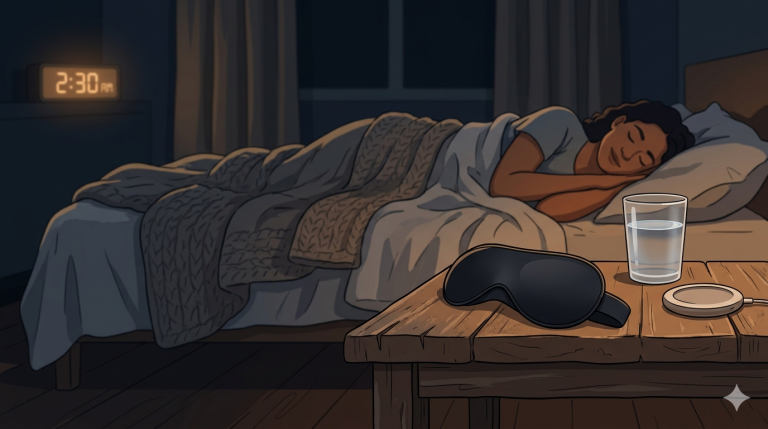
Light Control: Even for short naps, darkness is crucial. Your brain associates darkness with sleep, helping you fall asleep faster and achieve deeper rest. Consider investing in:
Blackout curtains [affiliate link] for your bedroom
A comfortable sleep mask [affiliate link] that blocks out all light
Smart blinds [affiliate link] that you can control with your phone
Sound Management: A quiet environment helps you fall asleep faster and stay asleep. Options include:
High-quality earplugs [affiliate link] designed for sleeping
A white noise machine [affiliate link] to mask household sounds
Noise-canceling headphones [affiliate link] if you live in a noisy area
Temperature Control: Your body temperature naturally drops when you sleep. Keep your napping area cool (around 65-68°F) for optimal rest.
Comfort Items: Consider these investments for better napping:
A weighted blanket [affiliate link] for anxiety relief and deeper relaxation
A comfortable pillow [affiliate link] specifically for napping
A cozy throw blanket [affiliate link] that’s easy to grab for quick naps
The Caffeine Nap (Nappuccino)
This counterintuitive strategy involves drinking caffeine right before your nap.
How It Works:
Caffeine takes 20-25 minutes to take effect
You nap for 20 minutes while the caffeine is being absorbed
You wake up just as the caffeine kicks in, providing a double boost of energy
Execution:
Drink a small cup of coffee or green tea quickly
Immediately lie down for your 20-minute nap
Set your alarm for exactly 20 minutes
Wake up to enhanced alertness from both the nap and the caffeine
The Meditation Nap
If you struggle to fall asleep during naps, try this hybrid approach:
Technique:
Lie down in your napping position
Use a guided meditation app like Headspace [affiliate link] or Calm [affiliate link]
Focus on meditation rather than trying to sleep
Even if you don’t fall asleep, you’ll still get restorative benefits
Napping Too Late: Avoid napping after 3 PM if you typically go to bed before 11 PM. Late naps can interfere with your nighttime sleep.
Napping Too Long: Resist the temptation to “just close your eyes for a few more minutes.” Set an alarm and stick to it.
Napping in Uncomfortable Positions: Don’t nap at your desk or in an uncomfortable chair. Your body won’t get the restoration it needs.
Irregular Napping: If you’re going to nap, try to do it at consistent times. Your body will adapt and you’ll fall asleep faster.
Using Naps to Fix Poor Nighttime Sleep: Naps should supplement good nighttime sleep, not replace it. If you’re consistently relying on naps to function, address your nighttime sleep issues first.
Step 1: Identify Your Natural Dip For one week, track your energy levels every hour from 10 AM to 6 PM. Note when you feel most tired.
Step 2: Experiment with Duration Start with 20-minute naps and adjust based on how you feel afterward. Some people do better with 15 minutes, others with 25.
Step 3: Optimize Your Environment Invest in the tools and setup that make napping easier and more effective.
Step 4: Track Your Results Keep a simple log of your naps and how they affect your afternoon and evening productivity.
When you master strategic napping, you’ll likely notice:
Improved focus and concentration in the afternoon
Enhanced creativity and problem-solving abilities
Better mood and emotional regulation
Increased overall energy throughout the day
Reduced reliance on caffeine
Remember, napping isn’t about being lazy – it’s about working with your body’s natural rhythms to optimize your performance. In a world that often prioritizes being busy over being effective, strategic napping is a smart way to ensure you’re operating at your best during your most important work hours.