Physical Address
304 North Cardinal St.
Dorchester Center, MA 02124
Physical Address
304 North Cardinal St.
Dorchester Center, MA 02124
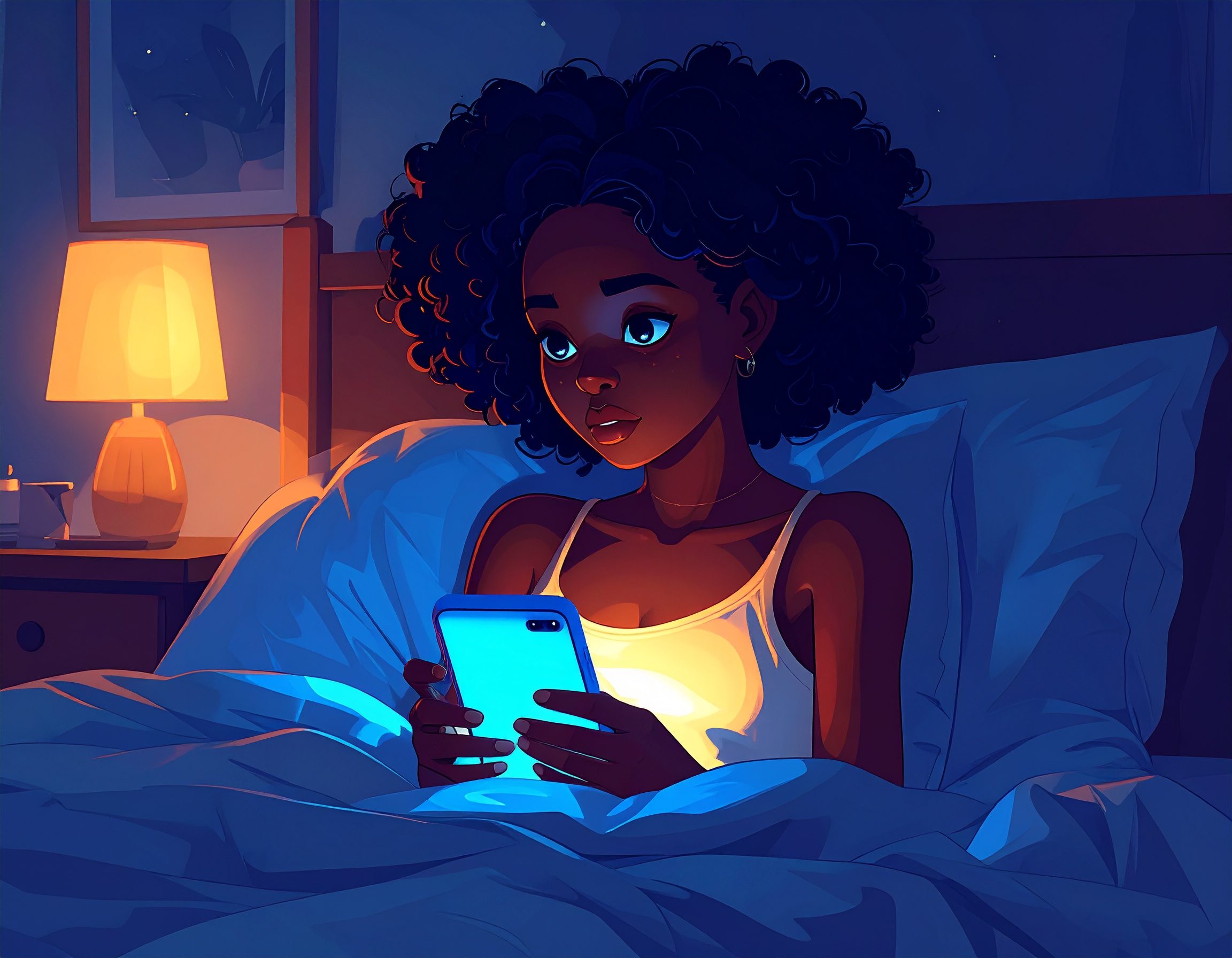
Remote workers face an unprecedented challenge that office workers of previous generations never encountered: continuous exposure to blue light from screens throughout their entire workday. While the convenience of working from laptops, tablets, and smartphones has revolutionized professional flexibility, research reveals a hidden cost to this technology dependence. Studies published in sleep medicine journals demonstrate that blue light emitted by electronic devices suppresses the secretion of the hormone melatonin. One of the main functions of melatonin is the regulation of the circadian rhythm, creating a direct pathway from screen use to sleep disruption. The problem extends beyond simple screen exposure, as research tracking the daily routines of remote workers shows they typically spend 10-14 hours per day looking at various screens, compared to 6-8 hours for traditional office workers.
Understanding the science behind blue light’s effects on sleep helps explain why so many remote workers struggle with falling asleep despite feeling mentally and physically tired. The mechanisms involved go deeper than simple eyestrain, affecting fundamental neurological processes that control your sleep-wake cycle. This extended exposure occurs in environments with limited natural light, creating what researchers call “circadian confusion”—where your brain receives mixed signals about the time of day. The consequence is a systematic degradation of sleep quality that many remote workers attribute to work stress rather than recognizing the physiological impact of their light environment.
Blue light operates at a specific wavelength (approximately 460-480 nanometers) that directly impacts specialized cells in your retina called intrinsically photosensitive retinal ganglion cells. These cells evolved to detect daylight and communicate directly with your brain’s circadian control center in the hypothalamus. Research published in chronobiology journals shows that a two-hour exposure to blue light (460 nm) in the evening suppresses melatonin, with some studies documenting reductions of 30-50% in natural melatonin production. The timing of this suppression creates particular problems for remote workers, as studies tracking melatonin levels throughout the evening show that about 2-h exposure to blue light (460 nm) in the evening significantly suppressed melatonin (from 12.0 pg⁄mL to 8.8 pg⁄mL) compared to low-melatonin level earlier in the evening, but green light (550 nm) did not.
The cascade effects of melatonin suppression extend beyond simply taking longer to fall asleep. Research from sleep laboratories shows that reduced melatonin affects sleep architecture—the natural progression through different sleep stages throughout the night. Studies monitoring brain activity during sleep reveal that individuals exposed to blue light before bedtime spend less time in deep sleep and REM sleep, the restorative stages essential for physical recovery and memory consolidation. For remote workers, this means that even when they achieve their target hours in bed, the quality of their sleep may be significantly compromised.
Research shows blue light’s effects are dose and timing dependent:
Blue light doesn’t just delay sleep – it degrades sleep quality:
Assessing your current blue light exposure requires understanding both the sources and timing of your screen use throughout the day. Research laboratories measure blue light exposure using specialized photometers, but remote workers can conduct practical assessments using readily available tools. Studies show that typical computer monitors emit blue light intensities ranging from 15-60 microwatts per square centimeter, with smartphones and tablets often producing higher concentrations due to their LED backlighting technology. The cumulative effect of multiple devices throughout the day creates exposure levels that far exceed what humans encountered throughout evolutionary history.
Individual sensitivity to blue light varies significantly, with some people showing dramatic melatonin suppression from relatively brief exposures while others demonstrate more resilience. Research identifies several factors that influence sensitivity: age (older adults show greater sensitivity), existing sleep disorders, seasonal affective disorder history, and natural chronotype. Remote workers can assess their personal sensitivity by tracking the relationship between evening screen use and sleep quality metrics like time to fall asleep and morning grogginess levels.
High-Risk Remote Workers:
Medium-Risk Remote Workers:
Lower-Risk Remote Workers:
Implementing effective blue light management requires a layered approach that addresses both the intensity and timing of exposure without significantly impacting work productivity. Research published in sleep intervention studies shows that wearing amber-tinted blue light-blocking lenses before bedtime improves sleep in individuals with insomnia. However, the most comprehensive approach combines multiple strategies rather than relying on a single intervention. The first tier of defense involves leveraging built-in technology solutions that research has validated as effective, with studies comparing different software-based blue light filters showing that applications like f.lux and built-in “night mode” settings can reduce blue light emission by 60-90% when properly configured.
Advanced blue light management incorporates physical barriers and environmental modifications supported by clinical research. Studies testing various blue light blocking glasses show that amber-tinted lenses filtering 90% or more of blue light provide the most significant benefits for sleep quality. Research published in ophthalmology journals indicates that wearing these glasses for 2-3 hours before bedtime can restore normal melatonin production patterns even in individuals with high evening screen exposure. The investment in quality blue light blocking glasses often provides better results than attempting to eliminate screen use entirely, making this approach more sustainable for remote workers with demanding schedules.
Device Settings:
Behavioral Changes:
Blue Light Blocking Glasses:
Lighting Upgrades:
Advanced Blue Light Blocking:
Environmental Controls:
Successful blue light management follows a gradual implementation schedule that allows your circadian system to readjust while maintaining work productivity. Research on circadian rhythm interventions shows that changes implemented too rapidly can create temporary sleep disruption as your body adapts to new light patterns. The evidence-based approach involves introducing modifications over a 2-4 week period, allowing time to assess the effectiveness of each intervention before adding additional strategies. Week one focuses on establishing software-based filtering and basic evening light management, with studies tracking the effectiveness of gradual implementation showing that individuals who start with these foundational changes are more likely to maintain their new habits long-term.
Weeks two through four introduce progressive enhancements based on individual response and specific work requirements. Research demonstrates that personalized approaches achieve better long-term success than one-size-fits-all solutions. This might include adding blue light blocking glasses for evening work sessions, implementing morning light therapy to strengthen circadian signals, or adjusting workstation lighting to reduce blue light exposure during late afternoon hours. Studies following individuals through this implementation period show that those who track their progress objectively are significantly more likely to achieve lasting improvements in sleep quality and daytime performance.