Physical Address
304 North Cardinal St.
Dorchester Center, MA 02124
Physical Address
304 North Cardinal St.
Dorchester Center, MA 02124
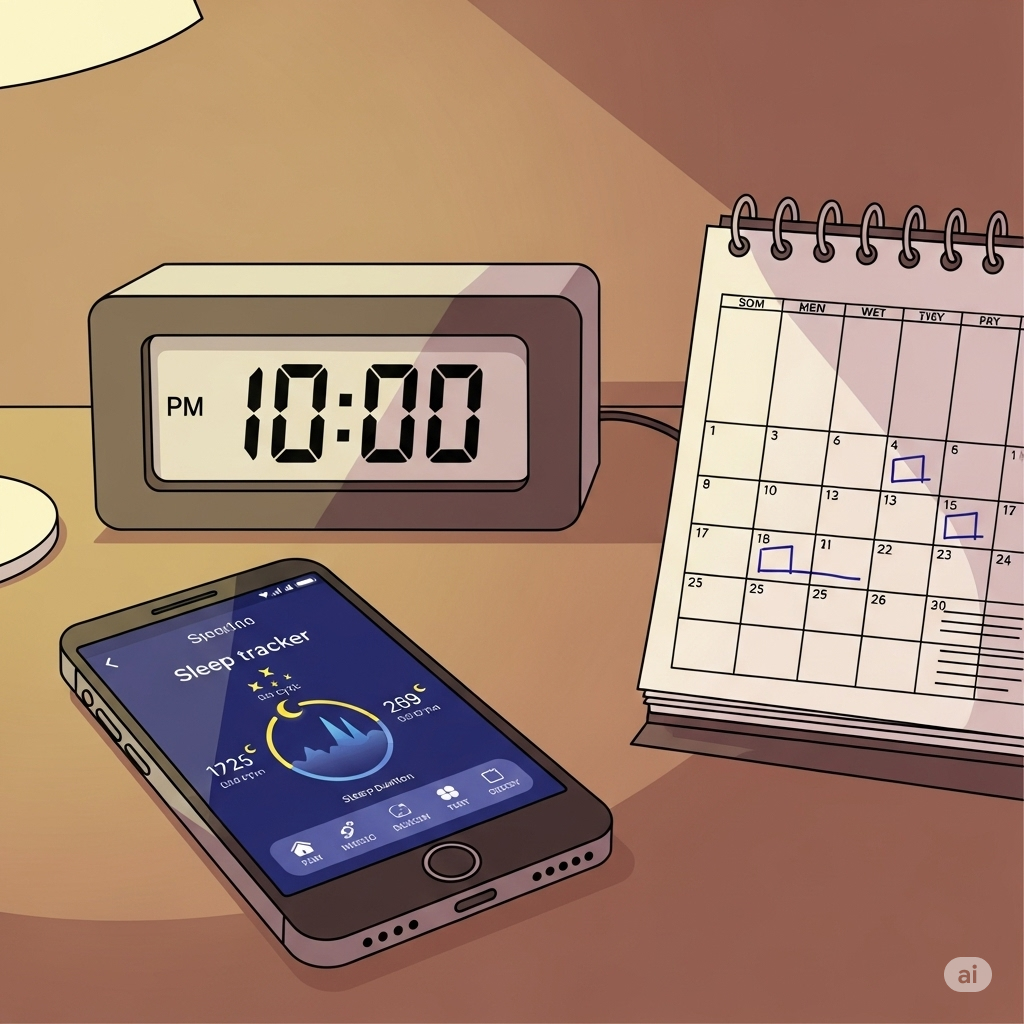
Working from home has fundamentally disrupted traditional sleep patterns for millions of professionals worldwide. Without the natural structure of commuting and office hours, remote workers often find themselves caught in a cycle of late nights and inconsistent wake times. Research from the Cleveland Clinic shows that circadian rhythm is the pattern your body follows based on a 24-hour day — it’s the name given to your body’s internal clock. This rhythm tells your body when to sleep and when to wake up. It also affects several other body processes, like your hormones, digestion and body temperature. For remote workers, establishing and maintaining this internal clock becomes both more challenging and more critical for sustainable productivity.
The stakes are higher than many realize. Studies published in academic journals demonstrate that the internal circadian clock adapts slowly, if at all, to rapid transitions between different shift schedules. This leads to misalignment (desynchrony) of rhythmic physiological systems, such as sleep, alertness, performance, metabolism and the hormones melatonin and cortisol. Remote workers face a similar challenge to shift workers when they constantly change their sleep schedules based on workload or social commitments. This comprehensive guide provides evidence-based strategies for creating and maintaining an optimal sleep schedule that supports both professional performance and personal well-being.
Understanding circadian biology is essential for remote workers seeking to optimize both their rest and productivity. Research from the University of Washington, published in Harvard Business Review, reveals that humans have a well-defined internal clock that shapes our energy levels throughout the day: our circadian process, which is often referred to as a circadian rhythm because it tends to be very regular. This internal timing system doesn’t just influence when we feel sleepy—it affects cognitive performance, decision-making ability, and creative thinking throughout the workday. The challenge for remote workers lies in the absence of external time cues that traditionally help maintain circadian alignment. Office environments provide natural anchors: commute times, colleague interactions, and structured meeting schedules.
For remote workers, maintaining consistent sleep timing becomes a cornerstone of professional success. Studies tracking performance metrics in various work environments consistently demonstrate that workers with regular sleep schedules show superior cognitive flexibility, better emotional regulation, and more consistent energy levels throughout their workday. Your body operates on this natural 24-hour cycle, controlled by your internal biological clock, which is primarily influenced by light exposure and determines when you feel alert or drowsy. Consistent sleep times strengthen your circadian rhythm, making it easier to fall asleep and wake up naturally, while also improving sleep quality by increasing time spent in restorative deep sleep stages.
Research consistently points toward specific timing windows that align with natural circadian biology for the majority of the population. Sleep studies conducted across multiple demographics suggest that a 10 PM to 6 AM sleep window provides optimal alignment with natural melatonin production and cortisol rhythms. This eight-hour window corresponds with the body’s natural temperature fluctuations, hormone cycles, and neurological repair processes that occur during different sleep stages. However, individual variation in chronotype—your natural preference for morning or evening activity—requires personalized adjustments to this baseline schedule.
Core Sleep Window: 10 PM – 6 AM Research consistently shows that sleeping during this 8-hour window aligns best with natural circadian rhythms for most people. Here’s why this works:
Customizing for Your Chronotype While the 10-6 schedule works for most, you may need adjustments based on your natural chronotype:
Early Birds (25% of population):
Night Owls (25% of population):
Middle Types (50% of population):
Implementing a new sleep schedule requires a systematic approach based on circadian rhythm research. Sleep laboratories have developed protocols for helping individuals reset their internal clocks, and these methods can be adapted for remote workers transitioning to more consistent schedules. The process relies on leveraging your body’s natural response to light exposure, meal timing, and physical activity to gradually shift your circadian rhythm. The first week focuses on establishing what researchers call “anchor points”—consistent wake times that serve as the primary cue for your circadian system.
Studies show that wake time consistency is more important than bedtime consistency for maintaining circadian alignment. This means that even if you have a late night occasionally, maintaining your regular wake time helps preserve your overall sleep schedule integrity. The second week introduces bedtime optimization while maintaining the established wake time anchor. Sleep research indicates that your body will naturally adjust bedtime based on consistent wake times and appropriate evening light management.
Days 1-3: Anchor Your Wake Time
Days 4-7: Lock in Bedtime
Days 8-10: Fine-Tune Timing
Days 11-14: Solidify Habits
Morning light exposure represents one of the most powerful tools for maintaining healthy circadian rhythms, particularly for remote workers who may spend most of their day indoors. Research published in chronobiology journals shows that exposing yourself to lots of bright light during the day helps maintain strong circadian signals. For remote workers, this means prioritizing morning light exposure through windows, brief outdoor breaks, or light therapy devices during darker months. The timing and intensity of this light exposure matters significantly, with studies measuring melatonin suppression and circadian phase shifts demonstrating that 10,000 lux light exposure for 20-30 minutes within two hours of waking provides optimal circadian reinforcement.
Evening light management proves equally important for sleep schedule success. Research tracking melatonin production shows that exposure to bright light in the evening can delay your circadian rhythm, making it harder to fall asleep at your intended bedtime. This is particularly relevant for remote workers who often continue working on screens late into the evening. Implementing progressive light dimming—reducing overall light levels starting three hours before bedtime—helps maintain your body’s natural evening melatonin production and supports consistent sleep timing.
Objective measurement of sleep schedule success requires tracking specific metrics that correlate with circadian alignment and sleep quality. Research laboratories use several key indicators that remote workers can monitor at home: sleep onset latency (time to fall asleep), wake after sleep onset (nighttime awakenings), and subjective morning alertness ratings. Studies show that individuals with well-aligned circadian rhythms typically fall asleep within 15-20 minutes, experience minimal nighttime awakenings, and report feeling refreshed within 30 minutes of waking. Performance metrics during work hours provide additional feedback about sleep schedule effectiveness.
Long-term tracking becomes essential for maintaining schedule consistency. Studies following individuals over months and years show that those who monitor their sleep patterns are significantly more likely to maintain healthy schedules long-term. Simple tracking methods—noting bedtime, wake time, and morning energy levels—provide sufficient data to identify patterns and make adjustments when life circumstances change or sleep quality begins to decline.
Sleep Metrics:
Performance Metrics: